The Internal Construction of Grinding Mills in the Aggregate Industry
The aggregate industry relies heavily on grinding mills to process raw materials like limestone, granite, and basalt into fine aggregates or powders for construction, road building, and concrete production. Understanding the internal construction of these mills is critical for optimizing performance, maintenance, and longevity.
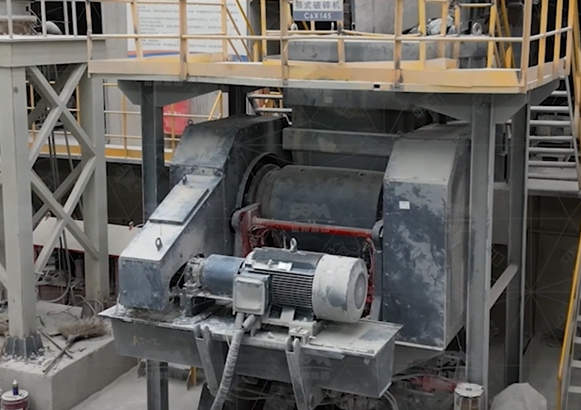
1. Rotating Drum: The primary chamber where grinding occurs. It is lined with wear-resistant materials (e.g., manganese steel or rubber) to withstand abrasion.
2. Grinding Media: Balls, rods, or pebbles inside the drum that crush and grind the material through impact and attrition.
3. Feed & Discharge Systems: Controlled entry points for raw material and exit points for processed output, often equipped with classifiers to ensure particle size consistency.
4. Drive Mechanism: Comprising motors, gears, and bearings to rotate the drum at optimal speeds (typically 10–20 RPM for ball mills).
5. Liners: Replaceable protective layers inside the drum to minimize wear and extend operational life.
1. How to reduce liner wear?
Use high-quality materials (e.g., chrome-molybdenum alloys) and monitor wear patterns regularly.
2. What causes mill vibration?
Imbalanced loads, misaligned gears, or worn bearings—prompt inspection is advised.
3. How to improve grinding efficiency?
Optimize feed size, media size distribution, and rotational speed based on material hardness.
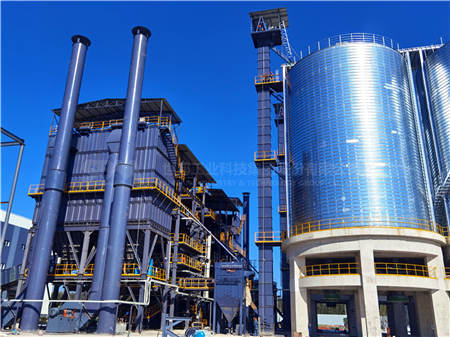
A quarry in Texas upgraded its aging ball mill with a VRM system, achieving:
The internal design of grinding mills directly impacts productivity and cost-efficiency in aggregate processing. Regular maintenance and proper component selection are essential to maximize ROI in this demanding industry.

