The Role of Screw Conveyors in Aggregate and Sand Processing
The aggregate and sand processing industry is a cornerstone of construction and infrastructure development. Efficient material handling is critical to maintaining productivity, and screw conveyors play a vital role in transporting bulk materials like crushed stone, sand, and gravel.
Aggregate processing involves multiple stages, including crushing, screening, washing, and sorting. Screw conveyors are widely used due to their versatility in moving materials horizontally or at slight inclines. Their enclosed design minimizes dust emissions and material loss, aligning with environmental regulations.
1. Customizable Design: Screw conveyors can be tailored for different capacities, material types (e.g., abrasive or wet aggregates), and spatial constraints.
2. Low Maintenance: With fewer moving parts compared to belt conveyors, they require less upkeep—ideal for harsh quarry environments.
3. Sealed Operation: Prevents contamination and reduces spillage, crucial for high-value products like washed sand or graded aggregates.
A: They are suitable for dry to semi-fluid materials, including crushed rock, sand, and recycled concrete. Highly sticky or viscous materials may require specialized flights or coatings.
A: Hardened steel flights or replaceable liners extend service life when handling abrasive aggregates like granite or basalt.
A: Yes, but efficiency decreases as the angle steepens beyond 20–30 degrees due to material slippage.
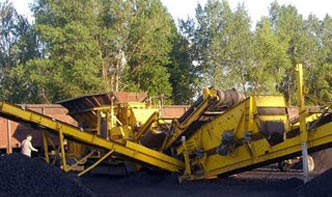
A quarry in Texas upgraded its sand-classification system with a custom screw conveyor featuring abrasion-resistant flights. The solution reduced downtime by 40% and improved material flow consistency to the washing plant—demonstrating how proper conveyor selection enhances operational reliability.
Screw conveyors remain indispensable in aggregate processing by balancing efficiency, durability, and cost-effectiveness. As sustainability demands grow, innovations in wear-resistant materials and energy-efficient designs will further solidify their role in modern mineral handling systems.

