Cyclone Systems in Cement Plants: Enhancing Efficiency in Aggregate Processing
The cement and aggregate industry relies heavily on efficient material handling and separation systems to ensure optimal production quality. Cyclones, as critical components in cement plants, play a pivotal role in classifying and separating raw materials, finished products, and dust particles. Their robust design and operational versatility make them indispensable in modern grinding and milling circuits.
Cement production involves crushing, grinding, and blending raw materials like limestone, clay, and iron ore. Cyclones are widely used in:
With rising demand for high-quality aggregates, cyclones ensure precise particle size distribution (PSD), reducing energy consumption and improving mill efficiency.
1. Centrifugal Separation: Cyclones use centrifugal force to separate coarse/fine particles based on density and size.
2. Low Maintenance: No moving parts minimize wear and downtime.
3. Customizable Designs: Adjustable inlet velocities and geometries cater to specific material properties (e.g., moisture content, abrasiveness).
Q1: How does a cyclone improve cement grinding efficiency?
A: By recycling coarse particles back to the mill, cyclones reduce over-grinding and optimize energy use.
Q2: What are key maintenance challenges?
A: Erosion at the inlet/cone due to abrasive materials; regular inspections and wear-resistant linings are recommended.
Q3: Can cyclones handle high-moisture materials?
A: Yes, but excessive moisture may require pre-drying or modified designs to prevent clogging.
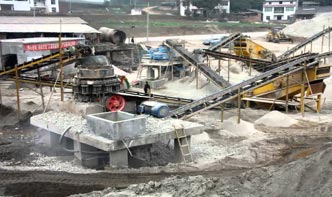
A Saudi Arabian cement plant upgraded its closed-circuit grinding system with high-efficiency cyclones, achieving:
Cyclones remain a cost-effective solution for cement and aggregate processing, balancing performance, durability, and sustainability. As technology advances, hybrid systems integrating AI-based airflow control are emerging to further refine separation accuracy.
For tailored applications, consult engineering experts to align cyclone specifications with plant-specific requirements like capacity, material characteristics, and environmental regulations.

