The Critical Role of Belt Conveyor Spares in Aggregate and Sand Processing Plants
The aggregate and sand processing industry relies heavily on efficient material handling systems, with belt conveyors serving as the backbone of production lines. From quarrying to crushing, screening, and final product stockpiling, conveyor systems ensure seamless material flow. However, wear and tear on components like idlers, pulleys, belts, and scrapers can disrupt operations, making localized tender processes for high-quality spares essential for minimizing downtime.
Global demand for construction materials continues to rise, driven by infrastructure development and urbanization. In sand and aggregate plants, belt conveyors transport raw and processed materials across long distances under harsh conditions—exposure to abrasives, moisture, and heavy loads. Reliable spare parts are critical to maintaining throughput and reducing unplanned maintenance costs.
1. Idlers & Rollers: Impact-resistant bearings and sealed designs prevent premature failure in dusty environments.
2. Conveyor Belts: Multi-ply rubber or steel-cord belts selected based on load capacity and abrasion resistance.
3. Pulleys & Lagging: Drum pulleys with ceramic or rubber lagging enhance grip and reduce slippage.
4. Cleaning Systems: Primary/secondary scrapers maintain belt cleanliness, preventing material carryback.
Local tenders for these spares should prioritize:
Q1: How often should conveyor idlers be replaced?
A: Typically every 12–24 months, but varies with operating hours and material abrasiveness. Regular vibration checks help detect early wear.
Q2: Can local suppliers match OEM quality?
A: Yes, if they adhere to documented material specs (e.g., DIN or ASTM standards) and offer testing certifications.
Q3: What’s the cost impact of delayed spare procurement?
A: A single day of conveyor downtime can cost $5k–$20k in lost production, emphasizing the need for strategic inventory planning.
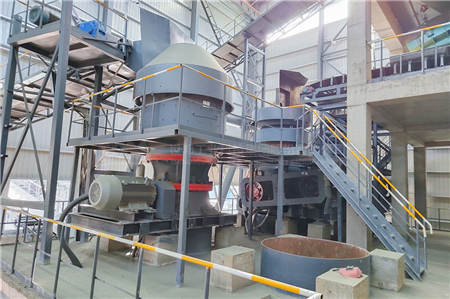
A Texas-based aggregate producer reduced downtime by 30% after switching to locally sourced heavy-duty idlers with integrated sealing technology. The tender required vendors to provide lifecycle cost analysis, ensuring long-term savings over cheaper imports. Post-installation monitoring showed a 40% increase in component lifespan compared to previous suppliers.
Proactive tender management for conveyor spares—backed by technical evaluations—ensures operational continuity in sand/aggregate plants. Partnering with vetted local suppliers who understand site-specific challenges can significantly enhance ROI while maintaining supply chain agility.

