The Growing Importance of Small-Scale DRI Iron Machines in Aggregate and Sand Production
The sand and aggregate industry plays a critical role in global infrastructure development, supplying materials for construction, road building, and concrete production. With increasing environmental regulations and the need for sustainable practices, small-scale Direct Reduced Iron (DRI) machines are gaining traction as innovative solutions for processing iron-rich raw materials in sand and aggregate plants.
Traditional mining and crushing methods often face challenges related to energy consumption, dust pollution, and resource wastage. Small-scale DRI iron machines offer a compact, efficient alternative by enabling on-site processing of low-grade iron ores or byproducts from aggregate production. These machines reduce reliance on high-cost blast furnaces while supporting circular economy principles.
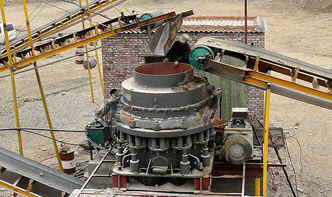
1. Modular Design: Ideal for remote or small-scale operations, these machines require minimal setup space compared to conventional systems.
2. Energy Efficiency: Using natural gas or hydrogen as reductants, they lower carbon emissions while maintaining high iron recovery rates (~85-90%).
3. Integration with Crushing Circuits: DRI output can be directly fed into grinding mills or magnetic separators to produce high-purity iron concentrates alongside sand/aggregate products.
Q1: Can small-scale DRI machines handle variable ore grades?
Yes, advanced control systems adjust temperature and reduction time based on feed composition.
Q2: What’s the typical output capacity?
Compact models process 5–50 tons/day, suitable for auxiliary operations in mid-sized quarries.
Q3: How does maintenance compare to traditional crushers?
Fewer moving parts reduce wear; refractory lining inspections are recommended every 6–12 months.
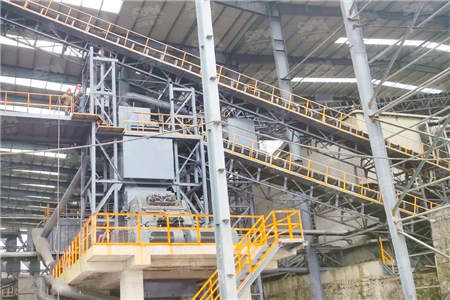
A Malaysian granite quarry integrated a 20-ton/day DRI unit to process iron-rich overburden previously discarded as waste. The system achieved 88% metallization efficiency, generating additional revenue streams while reducing landfill costs by 40%. The recovered iron was sold to local steel mills, demonstrating economic and environmental synergies.
Small-scale DRI technology bridges the gap between mineral processing and sustainable aggregate production. As the industry shifts toward greener practices, adopting such innovations will enhance profitability while minimizing ecological footprints—proving that even niche equipment can drive large-scale change.

