Hematite Beneficiation Machines: Enhancing Efficiency in the Sand and Aggregate Industry
The sand and aggregate industry plays a critical role in construction, infrastructure, and mining sectors. Hematite, a key iron ore mineral, requires specialized beneficiation processes to extract high-grade iron concentrates efficiently. Modern machinery for hematite beneficiation integrates crushing, grinding, magnetic separation, and flotation technologies to optimize productivity and reduce waste.
With rising demand for high-quality construction materials, hematite beneficiation has gained prominence. The process involves upgrading low-grade hematite ores (Fe₂O₃) into marketable iron concentrates (>60% Fe content). Traditional methods relied on gravity separation, but advancements in magnetic separators and grinding mills have revolutionized efficiency.
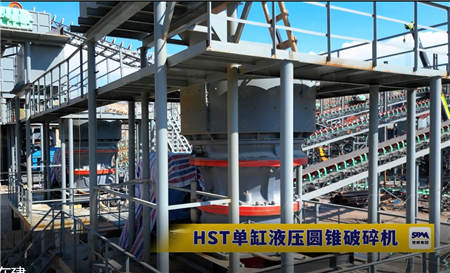
1. Jaw Crushers & Cone Crushers: Primary and secondary crushing to reduce hematite ore size.
2. Ball Mills & Vertical Roller Mills: Fine grinding to liberate iron particles from gangue minerals.
3. High-Gradient Magnetic Separators (HGMS): Extract weakly magnetic hematite from non-magnetic impurities.
4. Spiral Classifiers & Hydrocyclones: Size classification for improved separation accuracy.
5. Flotation Cells: Optional for removing silica or phosphorus contaminants via reverse flotation.
Q1: What’s the ideal feed size for hematite beneficiation?
A: Typically below 25mm after primary crushing; finer grinding (<0.074mm) improves liberation.
Q2: Can hematite be processed without water?
A: Dry magnetic separation is possible but less efficient than wet methods for fine particles.
Q3: How to mitigate equipment wear in abrasive hematite processing?
A: Use wear-resistant liners (e.g., ceramic, rubber) in crushers and mills; regular maintenance is essential.
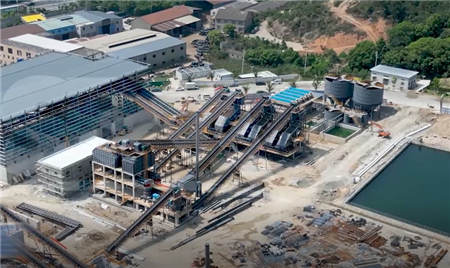
A mining project in Australia upgraded its hematite beneficiation line by replacing outdated jiggers with HGMS and ball mills, achieving a 22% increase in Fe recovery while cutting water usage by 30%. The system included a closed-circuit grinding loop with hydrocyclones to ensure consistent product quality.
Innovations in hematite beneficiation machinery are driving sustainability and cost-effectiveness in the sand and aggregate sector. By adopting advanced separation technologies, operators can meet stringent quality standards while optimizing resource utilization.For tailored solutions,collaboration with experienced equipment suppliers is recommended to address site-specific challenges

