Crushing and Sand-Making Equipment in the Aggregates Industry
The aggregates industry plays a pivotal role in global infrastructure development, supplying essential materials like sand, gravel, and crushed stone for construction, roads, and concrete production. With urbanization accelerating worldwide, the demand for high-quality aggregates has surged, driving innovations in crushing and sand-making equipment.
Natural sand reserves are depleting due to over-exploitation and environmental regulations. Manufactured sand (M-Sand), produced by crushing rocks or quarry stones, has emerged as a sustainable alternative. Modern crushing and sand-making equipment ensures consistent particle size distribution, enhanced durability, and reduced environmental impact compared to traditional methods.
1. Jaw Crushers: Primary crushers ideal for hard rock fragmentation, featuring high throughput and adjustable discharge settings.
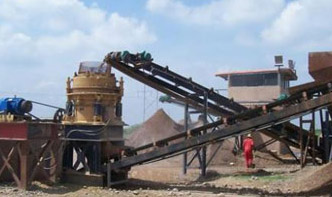
2. Cone Crushers: Secondary/Tertiary crushers offering finer output with low wear rates, suitable for abrasive materials.
3. Vertical Shaft Impact (VSI) Crushers: Key for sand-making, shaping particles into cubical forms while removing flaky content—critical for high-strength concrete.
4. Vibrating Screens & Classifiers: Ensure precise grading by separating oversized particles or fines (e.g., <75µm).
Q: What’s the advantage of M-Sand over natural sand?
A: M-Sand offers superior gradation control, zero impurities (e.g., silt), and higher compressive strength in concrete mixes.
Q: How to mitigate excessive wear in crushers?
A: Use tungsten carbide liners, maintain proper feed size (<80% of crusher opening), and monitor lubrication regularly.
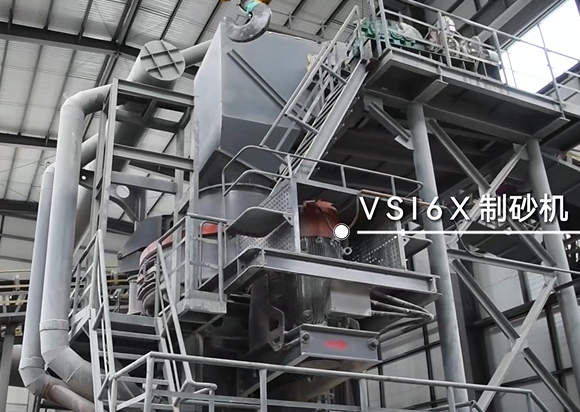
Project: A granite quarry in Texas upgraded to a VSI crusher + multi-stage screening system to produce ASTM-compliant M-Sand. Outcome: Production increased by 40%, with 15% lower operational costs due to reduced recirculation loads.
The aggregates industry’s future hinges on advanced crushing technology that balances productivity, sustainability, and cost-efficiency. Investing in modern equipment ensures compliance with stringent standards while meeting escalating material demands globally.

