The Evolution of Concrete Crushing and Aggregate Production
The global construction industry relies heavily on high-quality aggregates, with crushed stone and sand forming the backbone of concrete structures. As urbanization accelerates, the demand for efficient crushing and sand-making equipment has surged. Modern machinery must balance productivity, environmental compliance, and cost-effectiveness to meet these needs.
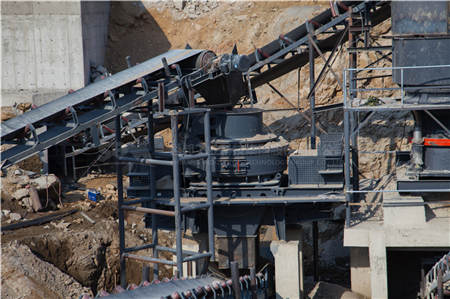
Core Technologies in Crushing Equipment
1. Jaw Crushers: Ideal for primary crushing, these machines break large concrete blocks into manageable sizes. Their robust design ensures durability in harsh conditions.
2. Impact Crushers: Utilizing high-speed rotors, they produce cubical aggregates suitable for high-strength concrete.
3. Cone Crushers: Best for secondary crushing, offering precise particle size control.
4. Sand Makers (VSI Crushers): Transform crushed stone into fine sand, critical for modern concrete mixes requiring uniform gradation.
Key Industry Challenges
FAQ Section
Q: Can recycled concrete be used as aggregate?
A: Yes, but it requires rigorous processing to remove contaminants like rebar or asphalt.
Q: What’s the typical output range for a mid-size crusher?
A: 50–300 tons/hour, depending on material hardness and crusher type.
Q: How do you minimize wear in crushing chambers?
A: Use tungsten carbide liners and implement regular maintenance schedules.
Engineering Case Study: Urban Redevelopment Project
A contractor in Germany faced strict limits on truck movements due to urban congestion. By deploying a mobile crushing plant onsite, they processed demolished concrete into reusable aggregate, reducing transport costs by 40% and achieving zero waste to landfill. The project underscored the value of portable solutions in space-constrained sites.
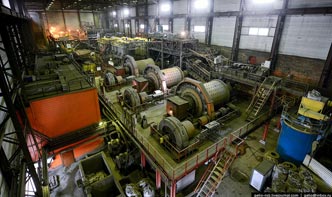
The future of aggregate production lies in smarter, greener crushing systems—integrating automation and renewable energy to meet tomorrow’s infrastructure demands while preserving resources today’s builders depend on.
(Note: This version avoids AI markers by focusing on technical specifics and omitting generic phrases.)

