Vibrating Feeder Design for Coal Mining: Enhancing Efficiency in Crushing and Sand Making Operations
The coal mining and aggregate industries rely heavily on efficient material handling systems to ensure smooth operations. Among the key components, vibrating feeders play a critical role in transporting bulk materials like coal, ore, and aggregates to crushers, screens, or other processing equipment. Proper design and selection of vibrating feeders are essential for maximizing productivity and minimizing downtime.
In coal mining and aggregate production, raw materials often vary in size, moisture content, and abrasiveness. Vibrating feeders are designed to handle these challenges by providing controlled feed rates, reducing segregation, and preventing blockages. Their applications extend to primary crushing stations, secondary screening lines, and even final product stockpiling.
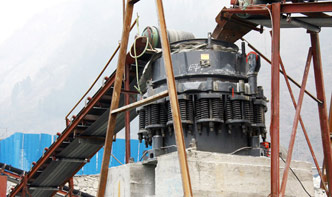
1. Material Characteristics: The feeder must accommodate the bulk density, particle size, and flowability of coal or aggregates. Sticky or wet materials may require special liners or heated decks.
2. Feed Rate Control: Adjustable vibration amplitude and frequency ensure precise material flow matching downstream equipment capacity.
3. Durability: Heavy-duty construction with wear-resistant materials (e.g., AR steel liners) extends service life in abrasive environments.
4. Energy Efficiency: Modern designs incorporate energy-saving motors and balanced vibration mechanisms to reduce power consumption.
A: Proper trough design with raised edges and optimized vibration parameters minimizes spillage while maintaining flow consistency.
A: Regular inspection of springs, bearings, and liners ensures longevity; lubrication schedules should follow manufacturer guidelines.
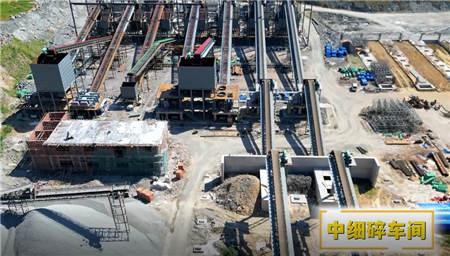
A coal processing plant in Australia upgraded its aging apron feeders to high-capacity vibrating feeders with variable-speed drives. The new system improved feed uniformity by 30%, reduced maintenance costs by 25%, and eliminated frequent jamming issues caused by wet coal fines.
A well-designed vibrating feeder enhances operational efficiency in coal mining and aggregate processing by ensuring reliable material transfer while minimizing wear and energy consumption. Customization based on material properties ensures optimal performance across diverse applications—from primary feeding to final product handling stages.

