The Role of High Vertical Copper Grinding Mills in the Aggregate Industry
The aggregate and sand-making industry plays a critical role in construction, mining, and infrastructure development. As demand for high-quality sand and crushed stone grows, advanced grinding equipment like the high vertical copper grinding mill has become indispensable for processing hard and abrasive materials, including copper ore, granite, and basalt.
Modern construction projects require finely ground materials with uniform particle sizes. Traditional horizontal ball mills often struggle with efficiency and energy consumption when processing tough ores or aggregates. In contrast, vertical grinding mills—especially those designed for copper and other metallic ores—offer superior grinding performance, lower wear rates, and reduced operational costs.
1. Energy Efficiency: Vertical mills consume 30-50% less energy compared to conventional ball mills due to their optimized grinding mechanics.
2. Compact Design: Their vertical structure saves floor space while maintaining high throughput capacity.
3. Precision Grinding: Advanced roller and table designs ensure consistent particle size distribution (PSD), crucial for downstream processes like flotation or concrete mixing.
4. Low Maintenance: Reduced metal-to-metal contact minimizes wear on critical components like rollers and liners.
A: Yes, many models support both dry and wet grinding modes for versatility in mineral processing.
A: While cone crushers excel in primary/secondary crushing, vertical mills specialize in fine grinding (<100 microns). They complement each other in a full production line.
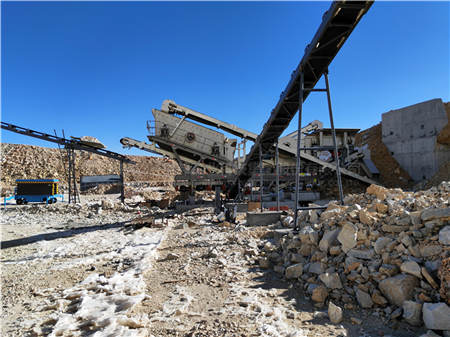
A copper mine in Chile replaced its aging ball mill system with a high-capacity vertical grinding mill, achieving:
For the aggregate sector—particularly where copper or hard-rock processing is involved—high vertical grinding mills represent a leap forward in efficiency and sustainability. Their adoption aligns with global trends toward greener mining practices while meeting rigorous material quality standards.

