The Role of Crusher Plants in the Aggregates Industry: A Comprehensive Guide
The global construction boom has driven unprecedented demand for high-quality aggregates, making crusher plants a cornerstone of modern infrastructure development. These facilities process raw materials like limestone, granite, and basalt into crushed stone, sand, and gravel—essential components for concrete, asphalt, and road bases. Among critical equipment, synthetic thickeners and advanced crushers ensure efficient material processing while minimizing waste.
1. Primary Crushers: Jaw or gyratory crushers handle large rocks (>1m), reducing them to manageable sizes.
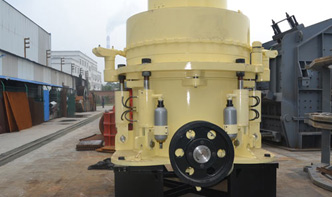
2. Secondary/Tertiary Crushers: Cone or impact crushers refine particles further for specific gradations.
3. Screening Systems: Vibrating screens separate aggregates by size, ensuring product consistency.
4. Synthetic Thickeners: Used in slurry management (e.g., wet processing), these polymers enhance water recycling and reduce environmental impact.
Crusher plant costs vary based on:
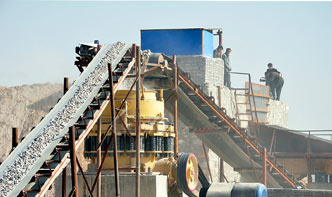
A mid-range 200 TPH plant may cost $500,000–$1M USD, while larger setups exceed $2M with auxiliary equipment like thickeners or conveyors.
Q: How to choose between mobile and stationary plants?
A: Mobile units suit short-term projects; stationary plants offer higher output for fixed sites.
Q: What maintenance reduces downtime?
A: Regular wear-part inspections (e.g., liners, bearings) and lubrication schedules are critical.
A granite quarry upgraded to a 300 TPH cone crusher with synthetic thickeners for sludge control, boosting yield by 20% and cutting water usage by 35%. The ROI was achieved within 18 months through reduced waste disposal costs.
Investing in the right crusher plant—paired with technologies like synthetic thickeners—ensures profitability and sustainability in the competitive aggregates sector. Customized solutions tailored to material type and operational goals remain key to long-term success.

