Iron Ore Processing Plant Flow and Key Equipment in the Aggregates Industry
The aggregates and mining industry plays a pivotal role in global infrastructure development, with iron ore being a critical raw material for steel production. Processing iron ore involves several stages, from extraction to final product refinement, each requiring specialized crushing and grinding equipment to ensure efficiency and cost-effectiveness.
Iron ore processing begins with the extraction of raw ore from open-pit or underground mines. The ore is then transported to processing plants, where it undergoes crushing, screening, grinding, and beneficiation to remove impurities and enhance iron content. The demand for high-quality iron ore pellets and concentrates has driven advancements in crushing technology, emphasizing energy efficiency and reduced environmental impact.
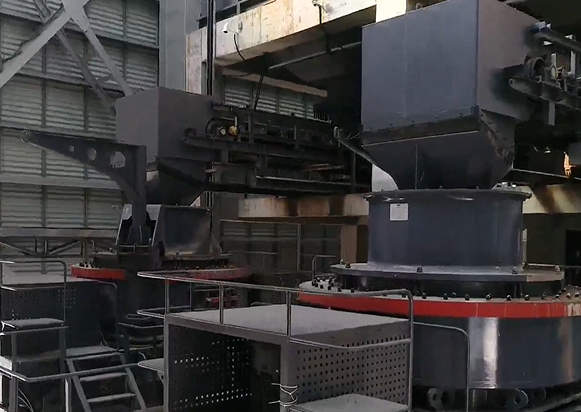
1. Primary Crushers: Jaw crushers or gyratory crushers are used for initial size reduction, breaking large ore chunks into manageable pieces (150–200 mm).
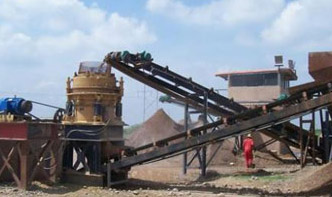
2. Secondary & Tertiary Crushing: Cone crushers or impact crushers further reduce the ore to finer particles (10–50 mm) for grinding.
3. Grinding Mills: Ball mills or SAG mills pulverize the ore into a fine powder, enabling efficient separation of iron from gangue minerals.
4. Screening & Classification: Vibrating screens and hydrocyclones segregate particles by size, ensuring optimal feed for downstream processes.
5. Magnetic Separation: Drum separators extract magnetite or hematite from waste material, improving concentrate grade.
Q: What is the typical output size after tertiary crushing?
A: Usually 10–30 mm, suitable for grinding circuits.
Q: How is water recycled in iron ore processing?
A: Thickener tanks reclaim water from tailings, reducing freshwater consumption.
A project in Western Australia upgraded its iron ore plant with HPGR (High-Pressure Grinding Rolls), achieving 20% energy savings compared to traditional ball mills while maintaining a throughput of 2,500 t/h. The system’s closed-circuit design minimized overgrinding and improved yield.
Efficient iron ore processing relies on robust equipment selection and process optimization. As sustainability becomes a priority, innovations like dry processing and AI-driven automation are reshaping the industry’s future. Investing in advanced crushing and grinding solutions ensures competitiveness in the evolving aggregates market.

