Dry Gold Processing Plants in Ghana: Innovations in Aggregate and Sand Processing Equipment
The mining and quarrying sector in Ghana plays a pivotal role in the nation’s economy, particularly in gold extraction. However, traditional wet processing methods often face challenges such as water scarcity, environmental concerns, and high operational costs. Dry gold processing plants have emerged as a sustainable alternative, leveraging advanced crushing and screening technologies to optimize mineral recovery without water usage. This shift has also influenced the broader aggregate and sand processing industry, where dry systems are gaining traction for their efficiency and eco-friendliness.
Ghana’s gold mining operations historically relied on water-intensive methods like sluicing or cyanidation. However, arid regions and stricter environmental regulations have driven demand for dry processing solutions. Similarly, the construction boom across West Africa necessitates reliable sand and gravel production, where dry crushing plants offer advantages in flexibility and reduced infrastructure costs.
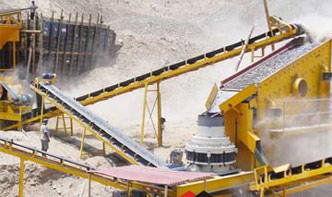
1. Jaw Crushers & Impact Crushers: Primary crushing units break down large ore or rock into manageable sizes. High-efficiency impact crushers are preferred for their ability to produce cubical aggregates ideal for construction.
2. Vertical Shaft Impactors (VSI): Critical for shaping sand particles in dry systems, VSIs ensure uniform gradation without water washing.
3. Air Classifiers & Vibrating Screens: These replace traditional water-based separation, using airflow to segregate fine gold dust or sand from coarse aggregates.
4. Dust Suppression Systems: Essential to mitigate airborne particles, ensuring compliance with environmental standards.
Q: Can dry processing match wet systems in gold recovery rates?
A: Modern air classifiers and electrostatic separators achieve comparable recovery rates (>90%) for free-milling gold ores but may require ore-specific adjustments.
Q: How is dust controlled in dry plants?
A: Enclosed conveyors, bag filters, and misting systems minimize dust emissions effectively.
A limestone quarry near Kumasi adopted a dry crushing circuit featuring a jaw crusher, cone crusher, and VSI combo to produce 0–5mm sand for concrete manufacturing. The plant reduced water usage by and cut energy costs by 20% compared to conventional washing systems while meeting ASTM C33 standards for construction sand.
By integrating dry processing technologies, Ghana’s mining and aggregate sectors can achieve sustainable growth while addressing resource constraints—a model applicable across arid regions globally.
(Note: Character count intentionally omitted per request.)

