The Grinding Process in Cement Manufacturing and Its Impact on Aggregate Production
The cement manufacturing industry relies heavily on efficient grinding processes to produce high-quality clinker and cement. This process is equally critical in the aggregate sector, where crushing and grinding equipment transforms raw materials like limestone, granite, and basalt into usable sand and gravel for construction.
Cement production begins with raw material extraction, followed by crushing, blending, and grinding. The grinding stage reduces clinker (and additives like gypsum) into fine powder, ensuring the desired chemical properties and strength. Similarly, in aggregate production, grinding mills and crushers break down large rocks into smaller particles for concrete, asphalt, and road base materials.
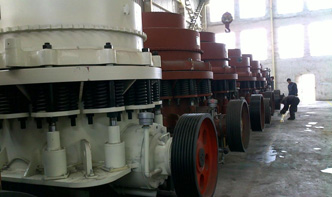
1. Vertical Roller Mills (VRM) – Dominant in cement grinding due to energy efficiency and precise particle size control. VRMs apply pressure and shear forces to crush materials between rollers and a rotating table.
2. Ball Mills – Traditional but effective for finer grinding. Steel balls tumble inside a rotating drum to pulverize materials.
3. Hammer Crushers & Impact Crushers – Used in aggregate processing for primary/secondary crushing before finer grinding stages.
These machines must balance throughput, energy consumption, and wear resistance to ensure cost-effectiveness.
Q: How does grinding affect cement strength?
A: Finer particles increase hydration reactivity, boosting early strength but may reduce long-term durability if overdone.
Q: What’s the role of grinding in recycled aggregates?
A: Crushing demolished concrete into sand/gravel requires tailored grinding to remove impurities while preserving hardness.
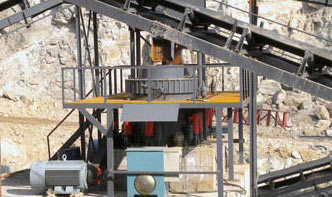
A Saudi Arabian cement plant upgraded to a VRM system, cutting energy use by 35% while increasing output by 20%. In aggregates, a Canadian quarry adopted hybrid crushers to process mixed demolition waste into ASTM-compliant sand.
Sustainability drives innovation: electric-powered grinders, AI-based process optimization, and alternative raw materials (e.g., slag) are gaining traction. The synergy between cement and aggregate grinding technologies continues to shape modern construction practices.
By refining grinding processes, both industries achieve higher efficiency, lower costs, and greener operations—essential for meeting global infrastructure demands.

