The Global Grinding Machine Market (2011-2015): Trends and Insights
The global grinding machine market witnessed steady growth between 2011 and 2015, driven by increasing demand for precision engineering in industries such as construction, mining, and manufacturing. Grinding machines play a critical role in processing raw materials like aggregates, ores, and recycled concrete into fine particles for use in infrastructure projects.
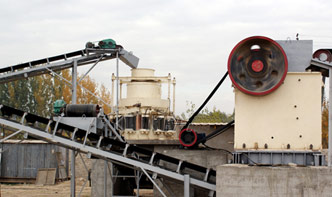
During this period, rapid urbanization in emerging economies fueled the need for high-quality sand and gravel aggregates. Governments invested heavily in roads, bridges, and buildings, boosting demand for grinding equipment capable of producing uniform particle sizes. Key markets included China, India, and Southeast Asia, where construction activities surged.
Grinding machines evolved significantly from 2011 to 2015, with manufacturers focusing on:
Common types included ball mills, vertical roller mills, and ultrafine grinders—each catering to specific fineness requirements.
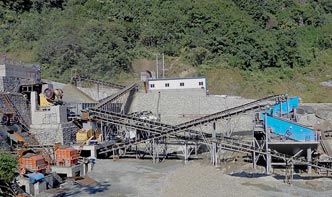
Q: What industries rely on grinding machines?
A: Mining (ore processing), construction (aggregate production), cement manufacturing, and recycling sectors are major users.
Q: How does grinding differ from crushing?
A: Crushing breaks large rocks into smaller pieces; grinding further refines them into fine powders or sand-sized particles.
A mining company in Australia upgraded its grinding circuit with high-pressure grinding rolls (HPGR) in 2013. The new system improved throughput by 20% while cutting energy costs by 15%, showcasing the shift toward sustainable solutions.
The 2011–2015 period marked advancements in grinding technology to meet growing infrastructure demands. Innovations prioritized efficiency and adaptability—trends that continue shaping the industry today.

