Alluvial Mining and the Role of Crushing & Screening Equipment
Alluvial mining, the process of extracting minerals from riverbeds, floodplains, and other sedimentary deposits, has been a cornerstone of mineral recovery for centuries. Today, modern crushing and screening equipment plays a pivotal role in optimizing efficiency, reducing environmental impact, and ensuring high-quality output in this sector.
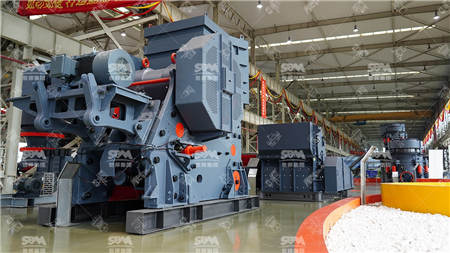
Alluvial deposits often contain valuable minerals like gold, tin, diamonds, or sand and gravel used in construction. Unlike hard-rock mining, alluvial operations require less energy-intensive extraction but demand efficient material processing to separate target minerals from waste. Crushing and screening equipment is essential for sizing raw material into marketable products such as construction aggregates or industrial sands.
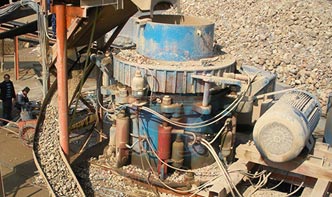
1. Jaw Crushers: Primary crushing units ideal for breaking down large alluvial gravels into manageable sizes.
2. Cone Crushers: Secondary crushers refine material further, producing uniform particle sizes for downstream processing.
3. Vibrating Screens: Separate crushed material into specific grades (e.g., coarse sand or fine gravel).
4. Sand Washers: Remove clay and impurities from sand products to meet construction standards.
5. Mobile Crushers & Screens: Offer flexibility for remote or temporary mining sites with rapid deployment capabilities.
Q: What type of crusher is best suited for alluvial gold ore?
A: A combination of jaw crushers (primary) and cone/impact crushers (secondary) ensures efficient liberation of gold particles from host rock or gravel.
Q: How does screening improve alluvial sand quality?
A: Proper screening removes oversized debris and undersized fines, producing consistent gradation for concrete or asphalt applications.
A mining operation in West Africa utilized a mobile jaw crusher and vibrating screen combo to process diamond-bearing gravels efficiently—reducing manual sorting labor by 40% while increasing yield purity by 25%. The modular setup allowed relocation as new deposits were explored without significant re-investment costs.
By integrating advanced crushing technology with sustainable practices, modern alluvial mining operations can achieve higher productivity while minimizing ecological disruption—a balance critical for long-term industry viability.