The Role of Hammer Crushers in Modern Aggregate Processing: A Focus on Elecon’s Solutions
The aggregate and sand production industry is a cornerstone of global infrastructure development, supplying materials for construction, roads, and concrete. Among the critical equipment in this sector, hammer crushers stand out for their versatility in reducing medium-hard to soft materials like limestone, gypsum, and coal. Elecon Engineering Company, a renowned name in material handling and crushing technology, offers robust hammer crushers designed for high efficiency and low operational costs.
Core Features of Elecon Hammer Crushers
Elecon’s hammer crushers are engineered for heavy-duty performance with the following specifications:
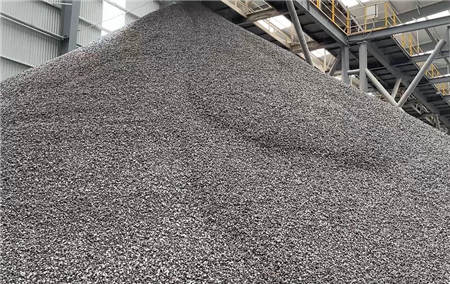
These crushers excel in producing uniformly graded aggregates with minimal fines generation—a key requirement for high-quality concrete mixes.
Industry Applications
Elecon’s hammer crushers are deployed in:
1. Quarry Operations: Primary reduction of excavated rock before finer crushing stages.
2. Cement Plants: Crushing limestone and additives for raw meal preparation.
3. Recycling: Processing demolition waste into reusable aggregates.
FAQs
Q: How does Elecon ensure minimal maintenance?
A: The crusher’s modular design allows quick replacement of wear parts like hammers and screens without dismantling the entire unit.
Q: Can it handle wet or sticky materials?
A: Yes, optional grate designs prevent clogging, though pre-drying is recommended for optimal throughput.
Case Study: Limestone Processing Plant
A Saudi Arabian quarry upgraded to an Elecon 800 TPH hammer crusher, achieving a 20% reduction in energy consumption compared to their previous jaw-crusher setup while maintaining consistent 0–25 mm output sizing for cement production.
By combining reliability with adaptive engineering, Elecon’s hammer crushers address the evolving demands of sustainable aggregate production—balancing productivity, cost-efficiency, and environmental compliance. Their solutions empower operators to meet stringent quality standards while optimizing lifecycle costs in competitive markets worldwide.

