Starting a Crusher Business: Key Considerations and Industry Insights
The aggregate and sand production industry plays a vital role in construction, infrastructure, and mining sectors. With urbanization and industrialization driving demand for high-quality crushed stone, sand, and gravel, starting a crusher business presents lucrative opportunities. However, success hinges on understanding market dynamics, equipment selection, and operational challenges.
Global demand for aggregates is projected to grow steadily due to large-scale infrastructure projects and housing needs. Crushers are essential for processing raw materials like limestone, granite, or river rock into usable sizes for concrete, asphalt, and road bases. The industry is highly competitive but rewards efficient operations and strategic location planning near raw material sources or construction hubs.
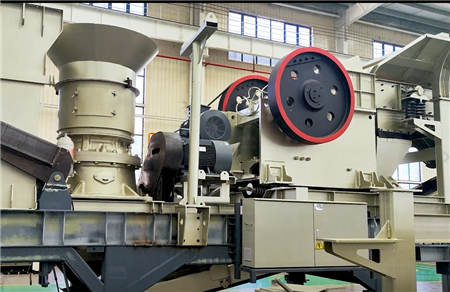
The primary cost drivers include:
1. Crusher Machines: Jaw crushers (for primary crushing), cone/impact crushers (secondary/tertiary stages), and vertical shaft impactors (for sand shaping). Prices range from $50K to $500K+ depending on capacity (50–500 TPH) and technology (hydraulic vs. mechanical).
2. Auxiliary Equipment: Vibrating screens, conveyors, feeders ($20K–$200K), dust suppression systems ($10K–$50K), and power generators ($30K–$100K).
3. Site Preparation: Land leasing/purchase (~$5K–$50K/year), permits ($2K–$20K), and civil works (foundations, access roads).
Total startup costs typically fall between $200K–$2M+, influenced by scale and automation level.
Q1: What’s the ROI timeline?
A: With steady demand, well-run operations recoup investments in 3–5 years. High-volume projects accelerate returns.
Q2: Environmental compliance challenges?
A: Dust/noise control measures (e.g., water sprays, enclosures) and permits are mandatory; costs vary by jurisdiction.
Q3: Mobile vs. stationary crushers?
A: Mobile units ($150K–$400K) suit short-term projects; stationary plants offer higher output but require fixed infrastructure.
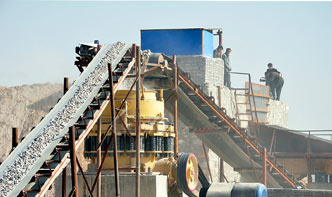
A Texas-based startup invested $1.2M in a 200-TPH limestone crushing plant serving local road builders. By year 3, annual revenues hit $3M with a 25% profit margin after covering fuel ($50K/month) and labor costs.
Entering the crusher business demands thorough feasibility studies but offers long-term stability amid construction growth. Prioritize equipment reliability, operational efficiency, and compliance to stand out in this capital-intensive sector.”

