Machine Cut Stones and Quarry Equipment in Kenya: A Comprehensive Guide
Kenya’s construction industry is rapidly expanding, driving demand for high-quality building materials like machine-cut stones. These stones, known for their precision and durability, are produced using advanced quarry equipment, including crushers, sand-making machines, and screening plants. This article explores the industry landscape, key equipment, and practical insights for investors.
Kenya’s urbanization and infrastructure projects (e.g., roads, housing) have intensified the need for standardized aggregates. Machine-cut stones offer superior consistency compared to manually quarried rocks, making them ideal for modern construction. Key regions like Nairobi, Kiambu, and Machakos host thriving quarries leveraging mechanized solutions.
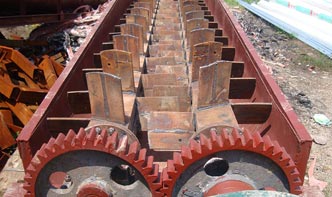
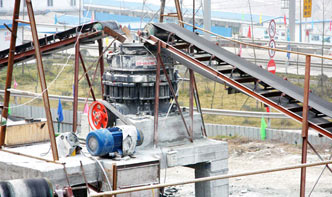
1. Jaw Crushers: Primary crushing of large rocks into smaller fragments (e.g., 150–200mm). Models like PE-400×600 are popular for mid-scale operations.
2. Cone Crushers: Secondary crushing to produce finer aggregates (20–50mm), ensuring uniformity.
3. Sand Makers (VSI Crushers): Transform crushed stone into artificial sand for concrete and plastering.
4. Vibrating Screens: Separate aggregates by size (e.g., 0–5mm sand, 5–20mm gravel).
Q1: What’s the typical output of a quarry plant in Kenya?
A: A medium plant (50–100TPH) can produce ~500 tons/day of machine-cut stones and sand.
Q2: How to choose between mobile and stationary crushers?
A: Mobile units suit temporary sites; stationary plants are cost-effective for long-term projects.
Q3: What maintenance is required?
A: Regular lubrication, wear-part replacement (e.g., jaw plates), and electrical checks minimize downtime.
A local operator replaced manual labor with a semi-automated line (jaw crusher + cone crusher + screen), boosting output by 300% while reducing waste by 15%. The ROI was achieved within 18 months due to high demand in Nairobi’s housing projects.
Investing in modern crushing equipment is pivotal for Kenya’s quarry sector to meet construction standards sustainably. Partnering with reliable suppliers ensures access to durable machinery tailored to local conditions—key to long-term profitability in this growing market.

