Gold Processing Plants in Australia: The Role of Crushing and Screening Equipment
Australia is a global leader in gold production, with numerous processing plants operating across the country. A critical component of these facilities is the crushing and screening equipment, which ensures efficient ore processing to maximize gold recovery.
Gold processing begins with extracting ore from mines, which is then crushed and ground into finer particles for further treatment. High-quality crushing and screening equipment is essential to achieve optimal particle size, reducing energy consumption in downstream processes like leaching or flotation.
1. Jaw Crushers – Used for primary crushing, breaking large ore chunks into manageable sizes.
2. Cone Crushers & Impact Crushers – Secondary and tertiary crushers refine material further for grinding circuits.
3. Vibrating Screens – Separate crushed ore into different grades, ensuring only properly sized material proceeds.
4. HPGR (High-Pressure Grinding Rolls) – Increasingly adopted for energy-efficient fine grinding before leaching.
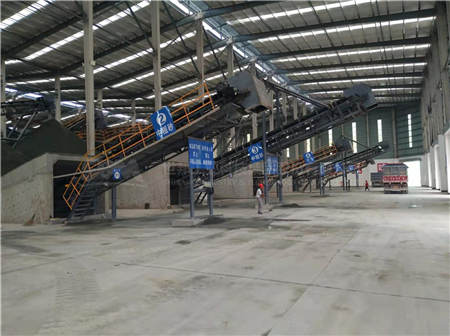
Q: What’s the typical lifespan of crusher components in gold plants?
A: Depending on abrasiveness, jaw plates last 3–12 months; cone crusher mantles may need replacement every 6–18 months.
Q: How does HPGR improve gold recovery?
A: HPGR produces micro-cracks in particles, enhancing leachability and reducing energy use vs traditional ball mills.
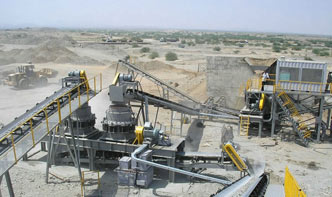
One of Australia’s largest gold mines uses a hybrid crushing circuit featuring jaw crushers, cone crushers, and HPGR units to process over 40 million tonnes annually. This setup improved grind size consistency by 15%, boosting cyanide leaching efficiency.
Crushing and screening technology remains pivotal in Australian gold processing plants, balancing operational costs with recovery rates. Innovations like HPGR and automated sorting systems continue to redefine efficiency standards in this sector.

