The Evolving Landscape of Crushing and Sand-Making Equipment in the Aggregate Industry
The global construction boom has fueled unprecedented demand for high-quality sand and aggregates, driving innovation in crushing and sand-making equipment. As urbanization accelerates and infrastructure projects multiply, the aggregate industry faces mounting pressure to deliver efficient, sustainable, and cost-effective solutions.
Aggregates—crushed stone, sand, and gravel—form the backbone of modern construction. With natural sand reserves dwindling due to environmental concerns, manufactured sand (M-Sand) has emerged as a viable alternative. This shift has propelled advancements in crushing and sand-making machinery, emphasizing automation, energy efficiency, and reduced environmental impact.
1. Jaw Crushers: Ideal for primary crushing, these machines handle large feed sizes with high reduction ratios. Modern designs incorporate hydraulic adjustment systems for quicker downtime recovery.
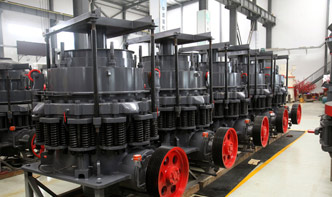
2. Cone Crushers: Suited for secondary/tertiary crushing, they excel in producing finely graded aggregates. Innovations like hybrid crushers combine cone and impact principles for versatility.
3. Vertical Shaft Impactors (VSI): The cornerstone of M-Sand production, VSIs use rock-on-rock or rock-on-steel mechanisms to shape particles with superior cubicity and minimal fines.
4. Mobile Crushing Plants: Modular setups enable on-site processing, reducing transportation costs and carbon footprints—a key consideration for sustainable operations.
Q: What’s the optimal crusher setup for basalt processing?
A: A jaw crusher (primary) + cone crusher (secondary) + VSI (tertiary) configuration ensures high yield with low flakiness index.
Q: How to reduce over-crushing in sand production?
A: Adjust VSI rotor speed and feed gradation; implement closed-circuit screening to recirculate oversized material.
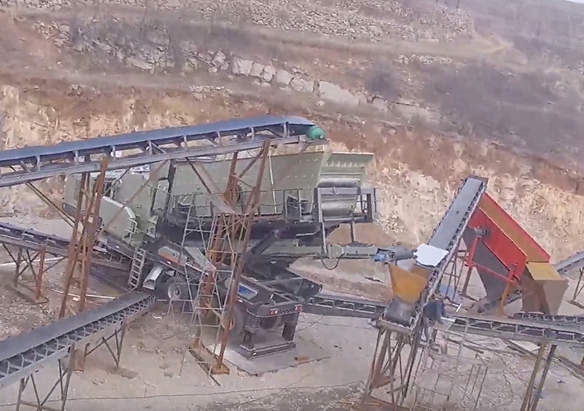
A limestone operation upgraded to a 500-tph mobile VSI plant, boosting M-Sand output by 40% while slashing fuel costs via diesel-electric hybrid drives. The system’s automated wear monitoring reduced unplanned maintenance by 25%.
As technology evolves, the aggregate industry must balance productivity with sustainability—leveraging smart crushing solutions to meet tomorrow’s construction needs today.

