Crusher vs. Granite Crusher: Key Differences and Applications in Aggregate Production
The aggregate industry relies heavily on crushing equipment to process raw materials like limestone, basalt, and granite into usable construction aggregates. Among these, crushers and granite crushers are often compared due to their overlapping functions yet distinct design and operational features.
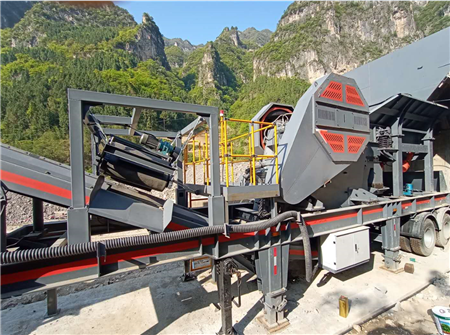
Aggregates form the backbone of infrastructure projects, from roads to concrete production. Crushers are universal machines designed to break down various hard rocks, while granite crushers are specialized units optimized for granite’s high hardness (Mohs 6-7) and abrasiveness.
1. Material Specificity:
– Standard Crushers: Handle diverse materials (e.g., limestone, sandstone) but may wear faster with granite.
– Granite Crushers: Feature reinforced components (high-manganese steel jaws, robust rotors) to withstand granite’s abrasive nature.
2. Crushing Mechanism:
– Jaw/cone crushers are common for general use, while granite-specific models often employ multi-cylinder hydraulic cone crushers or vertical shaft impactors (VSIs) for finer shaping.
3. Output Quality:
– Granite crushers prioritize cubical particle shape (critical for high-grade concrete), whereas standard crushers may produce more irregular fragments.
Q: Can a regular crusher process granite?
A: Yes, but with higher wear costs and lower efficiency. Granite crushers offer longer service life and better output control.
Q: What’s the cost difference?
A: Granite crushers have higher upfront costs but lower long-term maintenance expenses due to durable designs.
A quarry in Texas switched from a standard cone crusher to a granite-optimized VSI for producing railway ballast. The result: a 30% reduction in downtime and 20% higher yield of perfectly shaped aggregates.
Choosing between a general-purpose crusher and a granite-specific model depends on material hardness, desired output, and operational costs. For large-scale granite processing, investing in specialized equipment ensures profitability and consistent quality.

