The Science Behind Jaw Crusher Capacity Formula and Its Role in Aggregate Production
The global construction boom has intensified demand for high-quality aggregates, driving innovations in crushing technology. Among primary crushers, jaw crushers remain indispensable due to their robustness and versatility. Understanding their capacity formula is critical for optimizing production lines.
The theoretical capacity (Q) of a jaw crusher is calculated as:
\[ Q = \frac{60 \times n \times s \times b \times d \times \mu}{1000} \, (\text{t/h}) \]
Where:
This formula highlights how CSS and stroke directly influence throughput—a narrower CSS yields finer output but reduces capacity, while a wider stroke enhances productivity at the cost of particle size control.
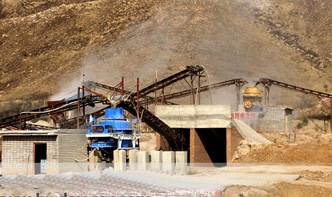
Jaw crushers dominate primary crushing stages in quarrying and mining. For instance, a granite quarry employing a 1,200×800 mm jaw crusher at 250 RPM with a 150 mm CSS can achieve ~450 t/h, assuming optimal feed gradation and moisture content.
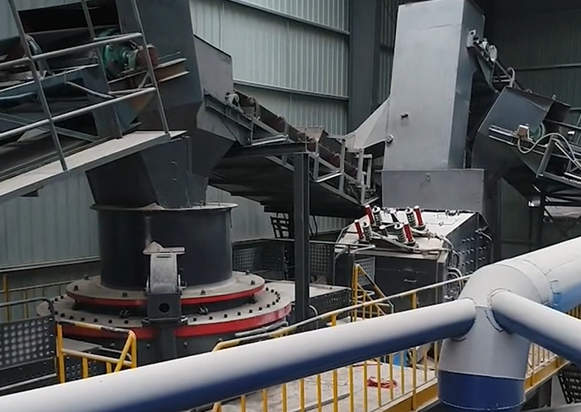
1. How does feed size affect capacity? Oversized material causes bridging, reducing efficiency; ideal feed should be ≤80% of the inlet width.
2. Why does capacity drop with harder rocks? Higher compressive strength increases wear and energy consumption, lowering throughput by up to 30%.
A Texas-based plant upgraded to a hydraulic-adjustment jaw crusher (1,000×600 mm), achieving a 22% capacity boost by automating CSS adjustments based on real-time feed variations. Maintenance downtime also decreased by 40% due to reduced tramp metal damage.
Mastering the interplay between mechanical parameters and operational conditions ensures jaw crushers meet modern aggregate demands efficiently. As sustainability gains traction, future designs will likely integrate AI-driven optimization alongside traditional mechanical reliability.

