The Business Model of Aggregate Mining and Crrushing: A Comprehensive Overview
The aggregate mining and crushing industry is a cornerstone of modern infrastructure development, supplying essential materials like sand, gravel, and crushed stone for construction, roads, and concrete production. As urbanization accelerates globally, the demand for high-quality aggregates continues to rise, driving innovation in crushing equipment and operational efficiency.
Aggregates are the second-most consumed natural resource after water. The industry thrives on extracting raw materials from quarries or riverbeds, processing them through crushing and screening plants to produce standardized sizes. Key players range from large multinational corporations to small local operators, each leveraging tailored business models to meet regional demands.
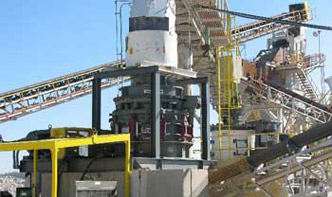
Modern crushing plants rely on advanced machinery to optimize output and reduce environmental impact. Common equipment includes:
Automation and IoT integration are transforming the sector, enabling real-time monitoring of production metrics like throughput, wear-and-tear, and energy consumption.
1. Raw Material Sourcing: Securing permits for quarrying or partnerships with landowners.
2. Processing Efficiency: Balancing capital investment in equipment with operational costs (fuel, labor, maintenance).
3. Market Strategy: Selling directly to construction firms or through distributors; premium pricing for certified aggregates (e.g., ASTM-compliant).
4. Sustainability Initiatives: Recycling construction waste (RAP/RCA) to reduce reliance on materials.
Q: What’s the typical ROI for a crushing plant?
A: Depending on scale and location, ROI ranges from 2–5 years due to high initial CAPEX but steady demand.
Q: How to mitigate dust pollution?
A: Use water sprays, enclosed conveyors, or baghouse filters compliant with EPA regulations.
Q: Are mobile crushers cost-effective?
A: Yes—for short-term projects or fragmented deposits; they reduce transport costs but may have higher operating expenses than stationary plants.
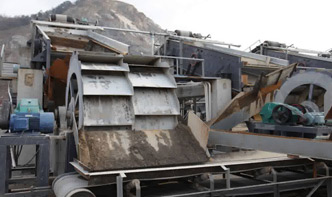
A Texas-based quarry upgraded its fleet with a 300-tph cone crusher and screening system, boosting production by 40% while cutting fuel costs via hybrid power units. By selling surplus output to nearby highway projects, the operation achieved breakeven within 18 months.
Success in aggregate mining hinges on strategic equipment selection, efficient resource management, and adaptability to regulatory shifts—all while meeting the relentless demand for construction materials worldwide.

