Optimizing Energy Consumption in Limestone Grinding for Aggregate Production
The aggregates industry plays a pivotal role in construction, providing essential materials like crushed stone, sand, and gravel. Among these, limestone is a widely used raw material due to its versatility and abundance. However, grinding limestone into fine particles for applications such as cement production or road base requires significant energy input, making energy efficiency a critical concern for operators.
Limestone grinding is a key stage in aggregate processing, where large rocks are reduced to smaller sizes through crushers and mills. The process typically involves:
1. Primary Crushing: Jaw or gyratory crushers break down large limestone blocks.
2. Secondary Grinding: Cone crushers or impact mills further refine the material.
3. Tertiary Grinding: Ball mills or vertical roller mills (VRMs) produce fine powders.
Energy consumption varies depending on the hardness of the limestone, moisture content, and equipment efficiency. On average, grinding operations account for 50-60% of a plant’s total energy use, highlighting the need for optimization.
1. High-Pressure Grinding Rolls (HPGR): These machines apply compressive force to limestone, reducing energy use by up to 30% compared to traditional ball mills.
2. Vertical Roller Mills (VRMs): VRMs offer lower specific energy consumption by utilizing centrifugal force and optimized grinding pressure.
3. Advanced Classifiers: Integrated air classifiers improve particle size control, minimizing over-grinding and wasted energy.
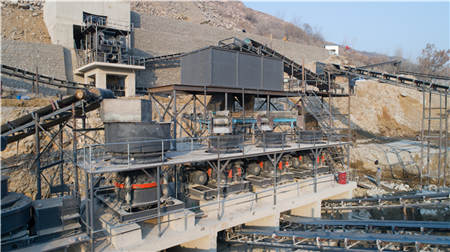
Q: How does limestone moisture affect grinding energy?
A: High moisture increases energy demand due to added resistance. Pre-drying or selecting low-moisture feedstock can mitigate this issue.
Q: What maintenance practices reduce energy waste?
A: Regular wear-part inspections (e.g., liner replacements in ball mills) ensure optimal performance and prevent efficiency losses.
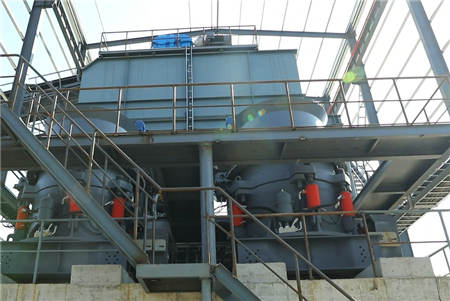
A limestone quarry in Texas upgraded its aging ball mill system to a VRM-based circuit, achieving:
Investing in modern grinding technologies and operational best practices can significantly cut energy costs while maintaining product quality—a win-win for sustainability and profitability in the aggregates sector.

