The Role of AutoCAD in Designing Conveyor Systems for Stone Crushers in the Aggregate Industry
The aggregate industry plays a critical role in construction, providing essential materials like crushed stone, sand, and gravel. Central to this process is the stone crusher, which breaks down large rocks into smaller, usable sizes. A well-designed conveyor system is vital for transporting raw materials and finished products efficiently. AutoCAD has become indispensable in designing these systems, ensuring precision, safety, and cost-effectiveness.
The demand for high-quality aggregates continues to grow with urbanization and infrastructure development. Stone crushers are the backbone of aggregate production, but their efficiency heavily depends on supporting equipment like conveyors. Poorly designed conveyors can lead to bottlenecks, increased maintenance costs, or even safety hazards. This is where AutoCAD steps in—enabling engineers to create optimized layouts before physical implementation.
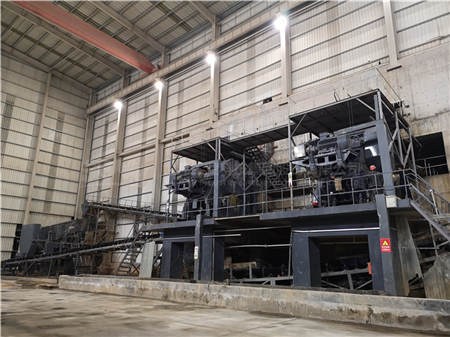
1. Precision Planning: AutoCAD allows detailed 2D/3D modeling of conveyor routes, accounting for terrain, load capacity, and integration with crushers and screens.
2. Material Flow Optimization: Engineers can simulate material movement to minimize spillage and reduce energy consumption.
3. Safety Compliance: Designs can include guardrails, emergency stops, and proper clearance zones to meet OSHA or other regulatory standards.
4. Cost Reduction: Virtual prototyping reduces errors during fabrication and installation, saving time and resources.
Typically, belt conveyors are used due to their durability and ability to handle abrasive materials. However, screw or apron conveyors may be chosen based on specific conditions (e.g., incline angles).
Detailed schematics help identify access points for cleaning or part replacement upfront—reducing downtime later.
Yes; it often pairs with simulation tools (e.g., MATLAB) or BIM platforms for comprehensive project management.
A quarry in Texas faced frequent conveyor jams due to improper incline angles causing material rollback. Using AutoCAD’s dynamic simulation tools engineers redesigned the system adjusting the belt slope adding impact beds at transfer points—resulting in a 30% increase throughput fewer operational interruptions within six months post-installation
By leveraging CAD technology aggregate producers ensure robust reliable conveying solutions that align with modern industry demands while maximizing productivity sustainability

