Business Plan Format for Iron Ore Mining
The global demand for iron ore remains strong, driven by steel production for infrastructure, automotive, and construction sectors. Mining iron ore involves exploration, extraction, processing, and transportation. Efficient crushing and grinding equipment is critical to optimize productivity and reduce operational costs.
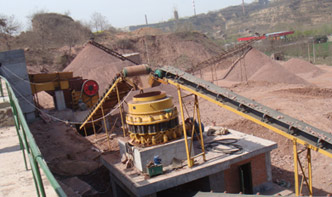
1. Primary Crushing: Jaw crushers or gyratory crushers break down large iron ore chunks into manageable sizes (150–300 mm).
2. Secondary & Tertiary Crushing: Cone crushers and impact crushers further reduce ore to 10–50 mm for grinding.
3. Grinding Mills: Ball mills or SAG mills pulverize ore into fine particles (<0.1 mm) for beneficiation.
4. Screening & Classification: Vibrating screens and hydrocyclones separate usable ore from waste material.
Q1: What’s the typical lifespan of crushing equipment in iron ore mining?
A: Jaw/cone crushers last 5–10 years with proper maintenance; liners need replacement every 3–6 months.
Q2: How to mitigate dust pollution during crushing?
A: Use wet scrubbing systems or enclosed conveyors with dust suppression sprays.
Q3: What’s the ROI for automated sorting systems?
A: Sensor-based sorting can improve ore grades by 15%, paying back in 2–3 years.
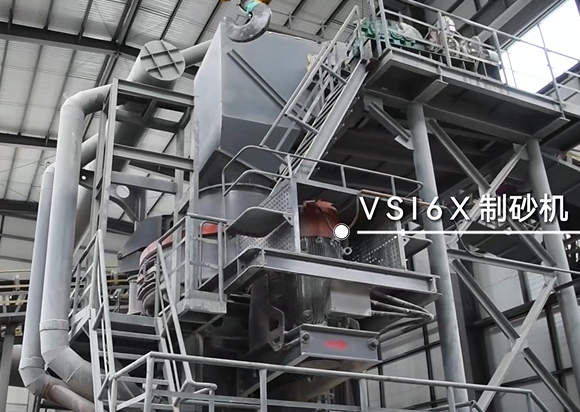
Site: Pilbara Region, Australia
Challenge: Processing low-grade hematite (~55% Fe) with high silica content.
Solution: Deployed a three-stage crushing circuit (jaw + cone + HPGR) + magnetic separation, increasing Fe concentration to 62% while cutting tailings by 40%.
Investing in optimized crushing/screening systems ensures cost-effective iron ore extraction. Partnering with experienced equipment suppliers minimizes downtime and maximizes yield in this capital-intensive industry.

