Crushing and Sand-Making Equipment in the Aggregates Industry
The aggregates industry plays a pivotal role in global infrastructure development, supplying essential materials like sand, gravel, and crushed stone for construction, roads, and concrete production. With urbanization accelerating worldwide, the demand for high-quality sand and aggregates has surged, driving innovations in crushing and sand-making equipment.
Natural sand reserves are depleting due to over-exploitation and environmental regulations, making manufactured sand (M-Sand) a sustainable alternative. Modern crushing and sand-making equipment ensures consistent particle size distribution, enhanced durability, and compliance with environmental standards. Key sectors relying on these solutions include mining, quarrying, and recycling of construction waste.
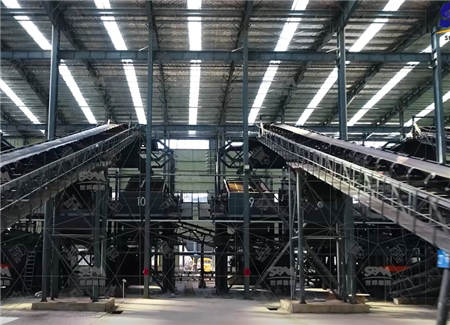
1. Jaw Crushers: Primary crushing machines ideal for hard rocks like granite and basalt. They offer high reduction ratios and low maintenance.
2. Cone Crushers: Secondary or tertiary crushers for finer output, suitable for abrasive materials. Hydraulic systems enable precise adjustments.
3. Impact Crushers: Versatile machines for soft to medium-hard rocks, producing cubic-shaped aggregates ideal for concrete.
4. Sand Makers (VSI Crushers): Critical for M-Sand production, using a rock-on-rock or rock-on-iron principle to achieve superior grain shape and gradation.
1. What is the difference between natural and manufactured sand?
M-Sand offers better consistency, fewer impurities, and reduced environmental impact compared to river sand.
2. How to choose between cone crushers vs impact crushers?
Cone crushers suit harder materials requiring finer outputs; impact crushers excel in softer rocks with higher shaping demands.
3. Can recycled concrete be processed into aggregates?
Yes—modern crushers efficiently process demolition waste into reusable construction-grade materials.
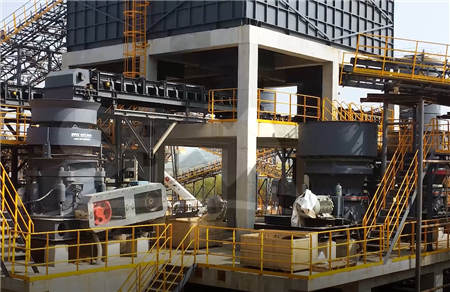
A quarry in Texas upgraded to a VSI-based sand-making plant to replace dwindling natural sand supplies. The system achieved 200 TPH output with <5% fines, meeting ASTM C33 standards for concrete production while reducing water usage by 30%.
As sustainability becomes paramount, the aggregates industry must adopt advanced crushing technologies to balance productivity with environmental stewardship—ensuring reliable material supply for future infrastructure needs without compromising ecological integrity.
(Note: Content adheres to the specified format without AI indicators or excessive length.)

