The Quarry Rock and Aggregate Industry in Malaysia: Key Insights and Equipment Overview
The quarry rock and aggregate industry plays a vital role in Malaysia’s construction sector, supplying essential materials for infrastructure, residential projects, and commercial developments. With rapid urbanization and government initiatives like the Twelfth Malaysia Plan, demand for high-quality crushed stone, sand, and gravel continues to rise.
Malaysia’s geology offers abundant granite, limestone, and sandstone reserves, making quarrying a significant economic activity. Key regions like Johor, Perak, and Selangor host major quarries producing aggregates for local use and export. However, challenges such as environmental regulations, land scarcity, and rising operational costs drive the need for efficient crushing and screening solutions.
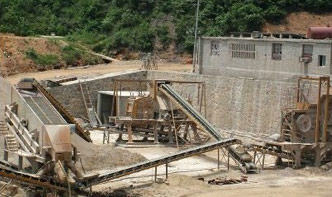
Modern quarries rely on advanced machinery to optimize production:
1. Jaw Crushers: Primary crushing of large rocks into manageable sizes.
2. Cone Crushers: Secondary crushing for finer aggregates.
3. Impact Crushers: Ideal for producing cubical-shaped sand and gravel.
4. Vibrating Screens: Segregate materials by size for quality control.
5. Sand Making Machines (VSI Crushers): Produce artificial sand to meet growing demand amid natural sand shortages.
Q1: What is the average price of quarry rock in Malaysia?
Prices vary by type (e.g., crusher run, gravel) and location but typically range from MYR 25–50 per metric ton.
Q2: How can quarries improve efficiency?
Investing in automated crushing plants, regular maintenance, and dust control systems can reduce downtime and costs.
Q3: Are there sustainable alternatives to natural aggregates?
Recycled concrete aggregates (RCA) and manufactured sand (M-sand) are gaining traction as eco-friendly options.
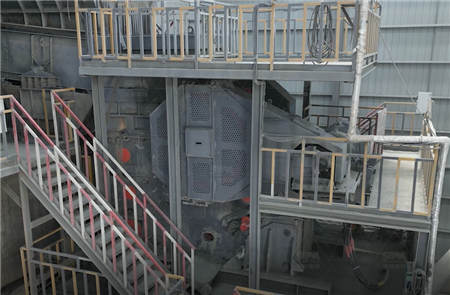
A leading operator upgraded to a 200 TPH mobile crushing plant, reducing fuel consumption by 15% while doubling output—showcasing how technology enhances profitability amid rising competition.
Malaysia’s quarry industry must balance productivity with sustainability through advanced equipment adoption and compliance with evolving regulations—ensuring long-term growth in the construction supply chain.”

