The Growing Demand for High-Quality Aggregates and Crushing Equipment in Modern Construction
The construction industry relies heavily on high-quality aggregates, with concrete being a fundamental building material. The compressive strength of M30 concrete, typically around 30 MPa (4350 psi) at 28 days, underscores the importance of well-graded and durable aggregates. As urbanization accelerates globally, the demand for efficient crushing and sand-making equipment has surged, driving innovation in the aggregate production sector.
Aggregates account for 60-75% of concrete volume, making their quality critical for structural integrity. Natural sand shortages and environmental regulations have pushed the industry toward manufactured sand (M-Sand) produced by crushing hard rocks like granite, basalt, or limestone. Modern crushers and sand-making machines optimize particle shape, gradation, and cleanliness to meet stringent standards like IS 383 or ASTM C33.
1. Jaw Crushers: Primary crushing for large rocks (>500mm), delivering coarse aggregates.
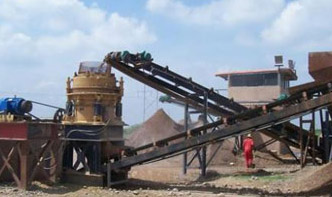
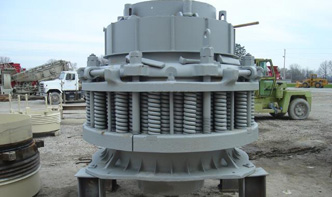
2. Cone Crushers: Secondary/tertiary crushing to produce finer aggregates (20-40mm).
3. Vertical Shaft Impactors (VSI): Critical for M-Sand production, enhancing cubical shape and reducing flaky particles.
4. Screening Systems: Multi-deck vibratory screens ensure precise grading for concrete mixes like M30.
A: Yes, with proper processing (e.g., VSI shaping and washing), M-Sand often outperforms river sand in workability and strength.
A: Wet suppression systems or enclosed crushing chambers minimize dust emissions sustainably.
A highway project in India replaced river sand with VSI-produced M-Sand for M30 concrete slabs. Results showed:
Investing in advanced crushing technology ensures consistent aggregate quality, aligning with global sustainability goals while meeting engineering specifications like M30 concrete requirements. The shift toward mechanized sand production is no longer optional but a necessity for future-proof construction practices.