The Role of Concrete Mould Crushing Machines in the Aggregate Industry
The global construction industry relies heavily on high-quality aggregates, including sand, gravel, and crushed stone, as essential materials for infrastructure projects. With increasing demand for sustainable and efficient production methods, concrete mould crushing machines have emerged as critical equipment in the aggregate processing chain.
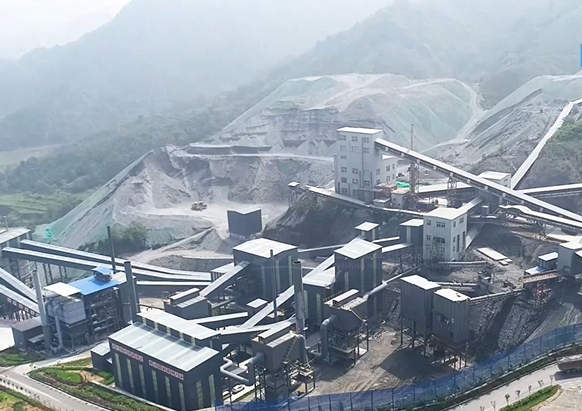
Aggregates are fundamental to modern construction, used in concrete, asphalt, and road base layers. Traditional methods of producing aggregates often involve quarrying and crushing natural rock, but recycled concrete has gained traction due to environmental concerns. Concrete mould crushing machines specialize in breaking down demolished concrete structures into reusable materials, reducing waste and conserving natural resources.
These machines are designed to handle reinforced concrete, bricks, and other demolition waste efficiently. Key features include:
1. What types of materials can these machines crush?
They process concrete blocks, bricks, asphalt slabs, and sometimes reinforced concrete (with proper pre-screening).
2. How does recycling concrete benefit the environment?
It reduces landfill waste and lowers the need for aggregate extraction.
3. What maintenance is required?
Regular inspection of wear parts (e.g., jaws, liners) and lubrication are essential for longevity.
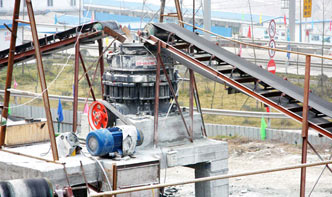
A demolition contractor in Germany utilized a mobile concrete crusher to recycle 50,000 tons of old pavement into base material for a new highway project. The machine processed the debris on-site, saving transportation costs and reducing carbon emissions by 30% compared to conventional disposal methods.
Concrete mould crushing machines play a pivotal role in sustainable construction by transforming waste into valuable resources. As technology advances, these machines will continue to improve efficiency and environmental performance in the aggregate industry.