Agricultural Lime Crushing Plant: A Comprehensive Guide
The agricultural lime crushing plant plays a vital role in modern farming by processing limestone into fine powder or granules, which are essential for soil conditioning and pH adjustment. As global demand for high-yield crops grows, the need for efficient lime processing equipment has surged. This article explores the industry background, core equipment, FAQs, and real-world applications of these plants.
Agricultural lime (aglime) is derived from crushed limestone or dolomite and is widely used to neutralize acidic soils, improving nutrient absorption for crops. The crushing process transforms raw limestone into usable sizes (typically 0.5–2 mm), ensuring optimal solubility and effectiveness. With precision farming gaining traction, aglime production must meet strict quality and consistency standards.
1. Primary Crushers: Jaw crushers or gyratory crushers break large limestone rocks into smaller chunks (50–150 mm).
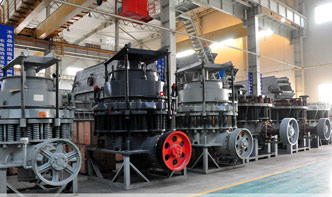
2. Secondary Crushers: Cone crushers or impact crushers further reduce the material to 20–50 mm.
3. Tertiary Grinding Mills: Hammer mills or ball mills pulverize the limestone into fine powder (<2 mm).
4. Screening & Classification: Vibrating screens separate particles by size, ensuring uniformity.
5. Storage & Packaging: Silos and bagging systems store and distribute the final product efficiently.
Q1: What’s the difference between agricultural lime and hydrated lime?
A: Aglime is crushed limestone (CaCO₃), while hydrated lime (Ca(OH)₂) is chemically processed and more reactive but costlier.
Q2: How often should crusher wear parts be replaced?
A: Depending on usage, jaw plates or hammers typically last 500–1,000 hours before replacement.
Q3: Can a lime crushing plant handle other minerals?
A: Yes, with adjustments, it can process gypsum or phosphate rock for soil amendments.
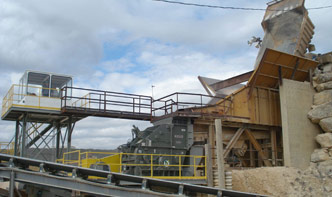
A Midwest U.S. farm cooperative installed a 200 TPH lime crushing plant featuring a jaw crusher, cone crusher, and hammer mill combo. The system improved soil amendment efficiency by 30%, reducing operational costs through automated screening and minimal downtime maintenance schedules.
By investing in tailored crushing solutions, agribusinesses can enhance productivity while meeting environmental compliance standards—proving that modern lime processing is both a science and an art.
Would you like further details on specific equipment configurations?

