The Critical Role of Grinding Equipment in the Aggregate Industry
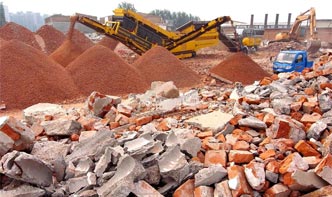
The aggregate industry is a cornerstone of modern construction, providing essential materials like sand, gravel, and crushed stone for infrastructure projects. Among the key processes in this sector, grinding—particularly cylindrical grinding—plays a vital role in refining raw materials to meet precise specifications. However, challenges such as incomplete grinding can significantly impact productivity and product quality.
Aggregate production relies heavily on crushing and grinding equipment to transform large rocks into usable sizes. Cylindrical grinding machines are often employed for secondary or tertiary processing, ensuring uniform particle distribution. Incomplete grinding occurs when particles fail to reach the desired fineness due to factors like improper machine settings, worn-out abrasives, or feed material inconsistencies. This issue leads to downstream inefficiencies, increased energy consumption, and subpar product quality.
To mitigate incomplete grinding, manufacturers focus on:
1. Machine Optimization: Adjusting rotational speed, feed rate, and pressure to match material hardness.
2. Abrasive Selection: Using high-performance grinding wheels with optimal grit size and bond strength.
3. Process Control: Implementing real-time monitoring systems to detect deviations early.
Q: What causes incomplete grinding in cylindrical grinders?
A: Common causes include incorrect wheel selection, excessive feed rates, or uneven material distribution.
Q: How can operators prevent this issue?
A: Regular maintenance, proper calibration, and using condition-based monitoring tools are effective strategies.
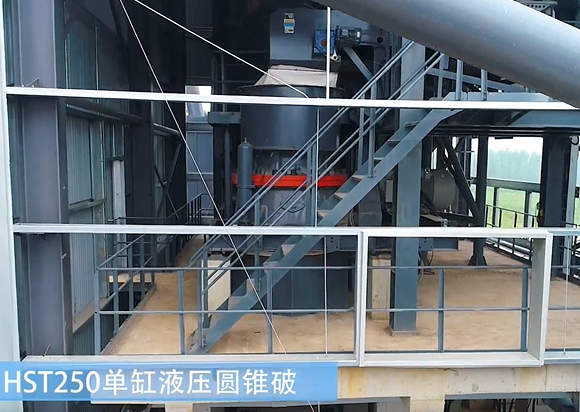
A quarry in Texas faced persistent incomplete grinding issues with its limestone processing line. After analyzing the problem, engineers identified worn-out grinding wheels and inconsistent feed sizes as root causes. By upgrading to premium abrasives and installing an automated feed control system, the plant achieved a 20% increase in throughput while reducing energy consumption by 15%.
Incomplete grinding remains a critical challenge in aggregate processing, but advancements in technology and process optimization offer reliable solutions. By addressing equipment performance and operational practices, producers can enhance efficiency and deliver higher-quality materials for construction needs.

