Quartz Crushing Solutions: Optimizing Efficiency in Aggregate Production
The global demand for high-quality sand and aggregates continues to rise, driven by infrastructure development and construction projects. Quartz, a hard and abrasive mineral, is widely used in concrete, glass, and industrial applications. Efficient quartz crushing requires specialized equipment to ensure productivity, minimal wear, and consistent particle size distribution.
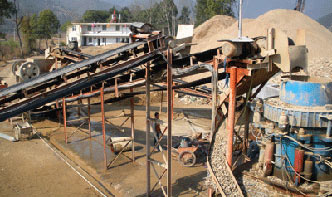
Quartz-rich rocks pose unique challenges due to their high silica content (up to 90%) and compressive strength. Traditional jaw crushers or impact crushers may struggle with excessive wear or insufficient reduction ratios. Modern aggregate plants prioritize energy-efficient solutions that balance throughput and maintenance costs.
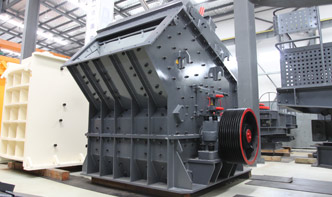
1. Jaw Crushers (Primary Crushing)
– Ideal for initial size reduction (e.g., from 600mm to 150mm).
– Heavy-duty designs with manganese liners resist abrasion.
2. Cone Crushers (Secondary/Tertiary Crushing)
– Hydraulic adjustment ensures precise output gradation (e.g., 20mm–5mm).
– Advanced models feature automatic overload protection.
3. Vertical Shaft Impactors (VSI) for Shaping
– Produces cubical sand ideal for concrete mixes.
– Rock-on-rock or rock-on-anvil configurations reduce metal wear.
4. High-Pressure Grinding Rolls (HPGR)
– Energy-efficient alternative for fine crushing (<5mm).
Q1: Which crusher is best for quartz sand production?
A: A combination of jaw + cone + VSI ensures optimal yield and shape. VSIs are critical for final shaping.
Q2: How to reduce operational costs?
A: Regular liner inspections, predictive maintenance, and proper feed gradation extend component life.
A German quarry upgraded to a multi-stage crushing circuit (jaw → cone → VSI), achieving:
Selecting the right crusher hinges on feed size, desired output, and total cost of ownership. Partnering with experienced manufacturers ensures tailored solutions for quartz-dominated applications while maximizing ROI in the aggregates sector.

