The Concept of a Marble Processing Plant: Crushing, Sand Making, and Aggregate Production
The marble processing industry plays a vital role in construction, architecture, and infrastructure development. As a high-value natural stone, marble requires specialized crushing and sand-making equipment to transform raw blocks into usable aggregates, decorative chips, or artificial sand. This article explores the core processes, equipment selection, and applications in modern marble processing plants.
Marble is widely used for flooring, countertops, and landscaping due to its aesthetic appeal and durability. However, raw marble blocks must undergo crushing, screening, and grinding to produce various sizes of aggregates (0-5mm sand, 5-10mm chips) or powder for industrial use. The demand for high-quality marble aggregates has grown alongside urbanization and green building trends.
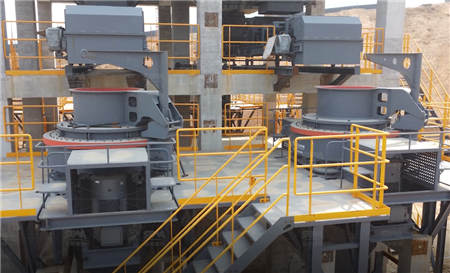
1. Primary Jaw Crusher: Breaks large marble blocks (<800mm) into smaller pieces (50-150mm).
2. Secondary Cone/Impact Crusher: Further reduces material to 20-40mm for finer grading.
3. Sand Making Machine (VSI Crusher): Produces 0-5mm artificial sand with cubical shapes ideal for concrete mixes.
4. Vibrating Screens: Separate aggregates into precise size fractions (e.g., 0-3mm, 3-6mm).
5. Dust Control Systems: Essential to minimize silica dust emissions during crushing.
Q1: Can marble waste be recycled into usable aggregates?
Yes, leftover scraps or low-grade marble can be crushed into construction sand or filler material.
Q2: What’s the difference between natural and artificial marble sand?
Artificial sand from VSI crushers has angular particles enhancing concrete strength, while natural river sand is rounded.
Q3: How much power does a mid-size marble plant consume?
A 200-ton/hour line typically requires 500–700 kW, depending on equipment configuration.
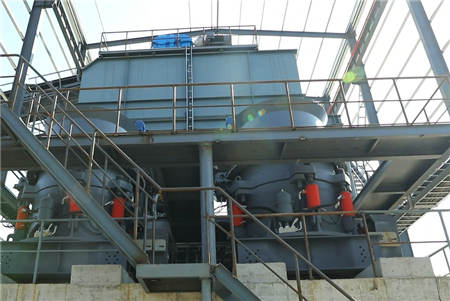
A Turkish marble processor upgraded to a three-stage crushing system (jaw + cone + VSI) to produce 0-5mm sand for export markets. The plant achieved 30% higher yield by recycling slurry water and reducing waste via automated screening.
Modern marble processing relies on tailored crushing solutions to maximize resource utilization while meeting environmental standards. Investing in robust equipment ensures consistent quality for high-end construction projects worldwide.

