The Crushed Sand and Aggregate Industry: Key Insights
The global demand for high-quality sand and aggregates continues to rise, driven by rapid urbanization, infrastructure development, and construction activities. Natural sand reserves are depleting, making manufactured sand (M-Sand) and crushed aggregates essential alternatives. This shift has spurred innovations in crushing and screening equipment to meet stringent quality and sustainability standards.
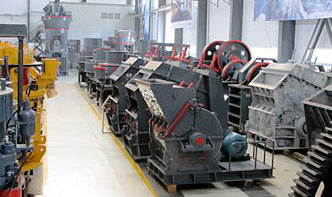
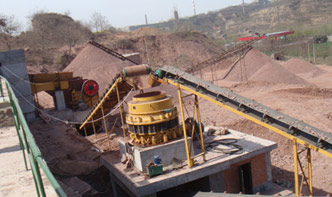
Modern crushing plants rely on advanced machinery designed for efficiency, durability, and minimal environmental impact. Key equipment includes:
Automation and IoT integration now enable real-time monitoring, reducing downtime and optimizing output.
The industry faces pressure to lower carbon emissions and water usage. Dry sand-making systems and recycled aggregates from construction waste are gaining traction as eco-friendly solutions.
1. Why choose M-Sand over natural sand?
M-Sand offers better gradation control, higher strength, and eliminates impurities like silt.
2. How to reduce dust in crushing plants?
Use enclosed systems, water sprays, or bag filters to suppress airborne particles.
3. What’s the typical lifespan of a crusher?
With proper maintenance, crushers last 15–20 years; wear parts (liners, blow bars) require regular replacement.
A project in Texas upgraded to a VSI-based system, increasing sand yield by 30% while cutting energy use by 15%. The plant now supplies ASTM-compliant aggregates for local highway construction.
As technology evolves, the industry must balance productivity with environmental stewardship to meet future demands sustainably.

