Hydrostatic Jacking Pressure for Ball Mills in the Aggregate Industry
The aggregate and sand production industry relies heavily on robust grinding equipment like ball mills to process raw materials into fine particles. A critical aspect of ball mill operation is the hydrostatic jacking pressure system, which ensures smooth startup and minimizes wear on bearings and trunnions.
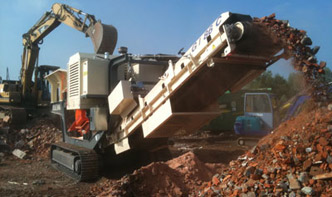
Ball mills are widely used in mineral processing, cement production, and aggregate crushing to grind materials into desired sizes. In large-scale operations, the mill’s weight can exceed hundreds of tons, creating immense friction during startup. Traditional lubrication systems struggle to handle this load, leading to premature bearing failure. Hydrostatic jacking pressure systems address this by lifting the mill slightly via high-pressure oil films before rotation begins.
1. Pre-Lubrication & Load Distribution – Before startup, high-pressure pumps inject oil between the trunnion bearings and journal surfaces, forming a thin film that separates metal-to-metal contact.
2. Reduced Friction & Wear – By maintaining optimal pressure (typically 100-250 bar), the system prevents bearing scuffing and extends component lifespan.
3. Automated Control – Modern systems integrate sensors and PLCs to adjust pressure dynamically based on load conditions.
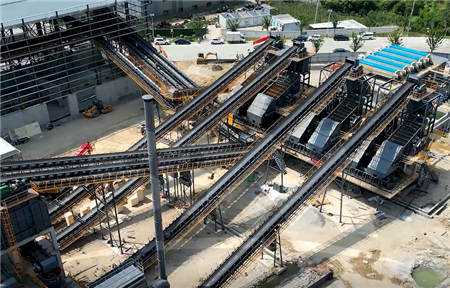
Q: What happens if hydrostatic pressure is too low?
A: Insufficient pressure leads to metal contact, causing bearing damage or mill seizure during startup.
Q: How often should the oil be replaced?
A: Oil degradation depends on contamination levels; typically every 6–12 months with regular filtration checks.
A granite processing plant in Texas experienced frequent trunnion bearing failures due to improper jacking pressure settings. After upgrading to an automated hydrostatic system with dual-pump redundancy, downtime decreased by 40%, and bearing service life improved by over 60%.
Hydrostatic jacking is indispensable for large ball mills in aggregate production, ensuring reliable operation and reducing maintenance costs. Proper system design, monitoring, and maintenance are vital for maximizing efficiency in demanding grinding applications.

