Sustainable Grease Disposal Practices for Grinding Mills in Aggregate Processing
The aggregates and sand production industry relies heavily on grinding mills to crush and refine raw materials into usable sizes. Proper maintenance, including lubrication management, is critical to ensuring operational efficiency and equipment longevity. However, grease disposal from these mills poses environmental and regulatory challenges that demand careful handling.
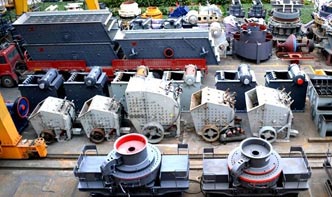
Grinding mills in mineral processing and aggregate plants operate under extreme conditions—high loads, dust, and temperature variations. Grease lubricants reduce friction in bearings, gears, and trunnions but degrade over time, accumulating contaminants like metal particles and moisture. Disposing of spent grease improperly can lead to soil/water contamination or non-compliance with environmental laws (e.g., EPA or EU Waste Framework Directive).
1. Waste Classification: Used grease is often classified as hazardous waste due to heavy metals or additives. Always verify local regulations before disposal.
2. Collection & Storage: Use sealed containers labeled clearly to prevent leaks. Avoid mixing grease with other fluids (e.g., oil or solvents).
3. Recycling Options: Some specialized recyclers reprocess spent grease into industrial fuels or base oils via filtration/re-refining.
4. Incineration: High-temperature incineration at licensed facilities can neutralize harmful components while recovering energy.
Q: Can used mill grease be reused?
A: No—contaminants make it unsuitable for reapplication but recyclable after treatment.
Q: How often should grease be replaced?
A: Follow OEM guidelines; typically every 3–6 months or based on condition monitoring.
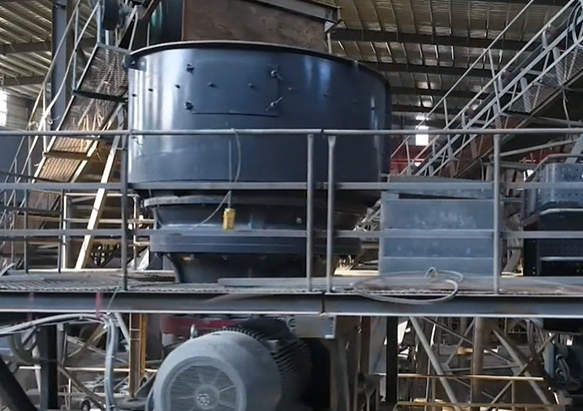
A quarry in Texas reduced disposal costs by partnering with a waste-to-energy provider, converting 500+ gallons/year of spent grease into fuel feedstock while achieving zero landfill contribution.
Responsible grease disposal aligns with sustainability goals and regulatory compliance in aggregate processing. Proactive planning—from lubricant selection to end-of-life handling—ensures operational continuity while safeguarding the environment.

