The Essential Role of Stone Crushers in Aggregate Production
The aggregate industry is a cornerstone of modern construction, providing the raw materials for infrastructure, buildings, and roads. At the heart of this industry are stone crushers, machines designed to break down large rocks into smaller, usable aggregates like gravel, sand, and crushed stone. Their duties and responsibilities extend beyond mere size reduction—they ensure efficiency, quality control, and environmental compliance.
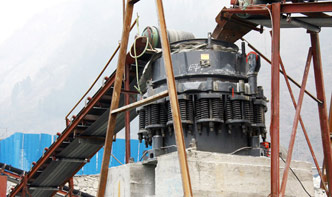
1. Primary Crushing:
– Jaw crushers or gyratory crushers handle the initial breakdown of large rocks (up to 1.5 meters) into manageable sizes (200–300 mm).
2. Secondary/Tertiary Crushing:
– Cone crushers or impact crushers further refine the material to produce finer aggregates (20–70 mm) for concrete or asphalt mixes.
3. Shape Optimization:
– Certain crushers (e.g., vertical shaft impactors) improve particle shape for better compaction and strength in final products.
4. Screening Integration:
– Crushers often work with vibrating screens to classify aggregates by size, ensuring uniformity.
Q: What’s the difference between jaw and cone crushers?
A: Jaw crushers excel at primary crushing with high throughput, while cone crushers offer precision in secondary/tertiary stages for finer outputs.
Q: How to maintain a stone crusher?
A: Regular lubrication, wear-part inspections (e.g., liners, blow bars), and monitoring vibration levels prevent unexpected downtime.
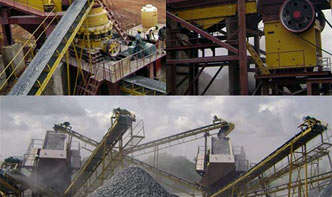
A limestone quarry in Texas upgraded to a multi-stage crushing plant (jaw + cone + VSI), increasing production by 40% while meeting ASTM specs for road-base aggregates. The system’s automated controls reduced labor costs by 15%.
Stone crushers are pivotal in transforming raw rock into construction-ready materials while balancing productivity and sustainability. As technology advances, their role evolves—driving smarter, greener aggregate production worldwide.

