China Clay Extraction and Processing Plant: Key Equipment and Industry Insights
Industry Background
China clay, also known as kaolin, is a vital industrial mineral widely used in ceramics, paper, paints, and construction. Its extraction and processing involve several stages, including mining, crushing, grinding, and refining. The demand for high-quality china clay has driven advancements in crushing and sand-making equipment to optimize particle size distribution and purity.
Core Equipment in Processing Plants
1. Primary Crushers: Jaw crushers or gyratory crushers are used to break down large chunks of raw china clay into smaller fragments (50-150mm). These machines ensure efficient size reduction with minimal fines generation.
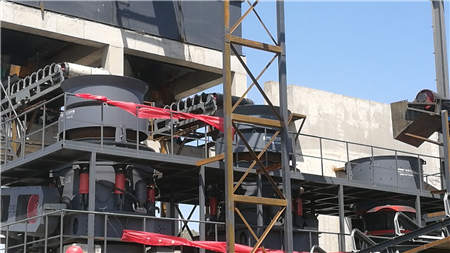
2. Secondary Crushing: Cone crushers or impact crushers further reduce the material to 20-50mm, preparing it for grinding or classification.
3. Grinding Mills: Ball mills or Raymond mills pulverize the clay to micron-level fineness (<45μm), critical for applications like paper coating or ceramics.
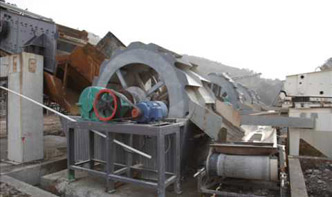
4. Sand-Making Machines: For coarser grades (e.g., filler sand), vertical shaft impactors (VSIs) produce cubical particles with precise gradation.
5. Classification Systems: Hydrocyclones or air classifiers separate fine kaolin from impurities like silica or mica.
Key Considerations for Equipment Selection
FAQs
Q: What is the typical output size range for china clay after crushing?
A: Depending on the application, crushed china clay ranges from 0.5mm (sand) to <45μm (ultrafine powder).
Q: How is waste material handled in china clay plants?
A: Tailings (e.g., quartz grit) are often repurposed for construction aggregates or landfill cover.
Q: Can standard granite crushers process china clay?
A: Not ideal—clay-specific crushers with higher torque and anti-blocking features are recommended due to its plasticity.
Engineering Case Example
A Guangdong-based kaolin plant upgraded its processing line with a VSI sand maker to produce filler sand for rubber industries. By replacing traditional roller mills, the plant achieved 30% higher yield and reduced energy consumption by 15%. The final product met ISO 3262 standards with >90% whiteness index.
Conclusion
Efficient china clay processing relies on tailored crushing and grinding solutions that balance particle size control, energy savings, and contamination avoidance. Advances in equipment design continue to enhance sustainability and product quality in this niche sector.

