Rock Crushing Plant 150t/h: Industry Insights, Pricing, and Applications
The global demand for crushed rock and aggregates continues to rise, driven by infrastructure development, urbanization, and mining activities. A 150-ton-per-hour (t/h) rock crushing plant is a mid-to-large-scale solution widely used in quarrying, road construction, and concrete production. This article explores the industry context, key features of such plants, pricing considerations in USD, and practical applications.
Crushed rock is a fundamental material for construction, serving as base layers for roads, rail ballast, and concrete mixtures. With stricter environmental regulations and the need for higher efficiency, modern crushing plants emphasize modular designs, automation, and energy-saving technologies. A 150 t/h plant balances output capacity with operational flexibility, making it suitable for medium-sized projects.
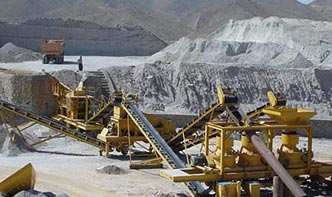
1. Primary Crusher: Typically a jaw crusher or gyratory crusher for coarse reduction.
2. Secondary Crusher: Cone crushers or impact crushers refine the material to desired sizes.
3. Screening System: Vibrating screens separate aggregates into different grades (e.g., 0-5mm sand, 5-20mm gravel).
4. Conveyors & Feeders: Ensure seamless material flow between stages.
5. Control System: Automated PLC controls optimize production and reduce downtime.
The cost of a 150 t/h rock crushing plant varies based on configuration, brand (e.g., vs Chinese OEMs), and mobility (stationary vs portable). Rough estimates:
Factors affecting price include steel quality (wear resistance), dust suppression systems (EPA compliance), and after-sales support (spare parts availability).
1. What’s the typical power requirement?
A 150 t/h plant may need 200–400 kW depending on hardness (e.g., granite vs limestone).
2. How to maximize ROI?
Opt for multi-stage crushing to produce high-value aggregates; prioritize low-maintenance designs like hydraulic adjustment systems.
3. Portable or stationary?
Mobile plants suit temporary sites (+15% cost premium), while stationary plants offer long-term stability (+30% lifespan).
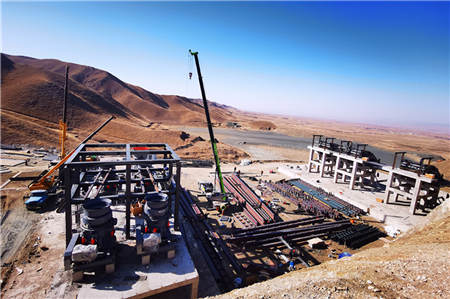
A client installed a 150 t/h mobile crushing plant ($700k USD) featuring a jaw-cone-screen combo. The setup achieved:
For buyers evaluating options—focus on total cost of ownership (TCO), not just upfront price—and consult engineers to match the plant design with your material characteristics (abrasiveness, moisture content). The right system ensures profitability amidst fluctuating aggregate markets.
(Note: Prices are indicative; request quotes from suppliers like or SBM Machinery for exact figures.)

