The Growing Demand for Mobile Crushers in Indonesia’s Aggregate Industry
Indonesia’s construction boom has driven significant demand for high-quality sand and aggregates. With infrastructure projects expanding across the archipelago, the need for efficient crushing and screening solutions has never been greater. Mobile crushers, particularly second-hand units, have emerged as a cost-effective option for contractors seeking flexibility and productivity in challenging environments.
The aggregate sector plays a pivotal role in Indonesia’s development, supplying materials for roads, bridges, and urban construction. Traditional stationary crushing plants face logistical challenges in remote areas, where transporting raw materials is costly. Mobile crushers address this by enabling on-site processing, reducing haulage expenses, and minimizing downtime.
1. Portability & Flexibility – Mobile units can be relocated easily between job sites, ideal for Indonesia’s diverse terrain.
2. Cost Efficiency – Second-hand mobile crushers offer substantial savings compared to new models while maintaining performance.
3. Quick Setup & Operation – Minimal installation time allows faster project execution compared to fixed plants.
4. Eco-Friendly Solutions – Modern units feature fuel-efficient engines and dust suppression systems to comply with environmental regulations.
Q1: Are second-hand mobile crushers reliable?
A: Yes, if properly maintained—pre-purchase inspections are crucial to avoid hidden defects.
Q2: What’s the typical output capacity?
A: Depending on model and feed material, mid-range units process 100–300 tons/hour suitable for medium-scale projects.
Q3: Can mobile crushers handle wet or sticky materials?
A: Some models include anti-clogging features; however, pre-screening is recommended for optimal performance in humid climates like Indonesia’s.
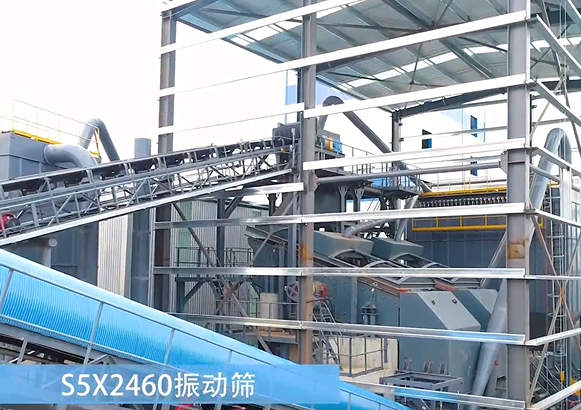
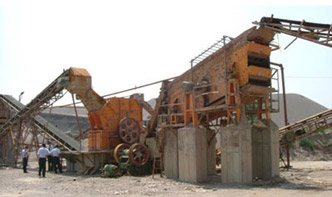
A contractor upgraded from a stationary plant to a used QJ341 jaw crusher, reducing material transport costs by 40% while increasing production efficiency by 25%. The mobility allowed rapid deployment across multiple sites without additional infrastructure investment.
As Indonesia’s construction sector grows, mobile crushers—especially refurbished units—provide an economical yet powerful solution for aggregate production challenges contractors face today ensuring sustainable growth tomorrow without compromising quality or efficiency standards required modern infrastructure development demands globally competitive industry practices adoption locally tailored approaches success stories already proving viability across Southeast Asia region including Philippines Malaysia Vietnam similarly benefiting same technological advancements shaping future mining quarrying operations worldwide trend expected continue foreseeable future given current economic trajectories these emerging markets present lucrative opportunities investors operators alike looking capitalize untapped potential available resources region offers abundance natural reserves waiting harnessed responsibly profitably manner all stakeholders involved value chain from extraction end-users alike stand gain significantly embracing innovative technologies such as portable crushing systems revolutionize way materials processed utilized ever before history mankind building civilizations since dawn time itself…

