The Role and Process of Rock Crushers in Mining Operations
The mining and aggregates industry relies heavily on rock crushers to break down large rocks into smaller, usable materials for construction, infrastructure, and industrial applications. Rock crushers are essential equipment in quarries and mines, transforming raw stone into gravel, sand, or other aggregate products.
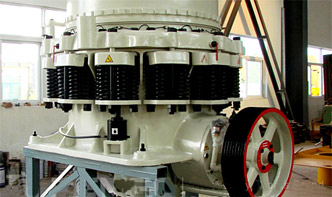
The demand for high-quality aggregates continues to grow due to urbanization and infrastructure development. Crushed stone is a fundamental component in concrete, asphalt, and road base layers. Efficient crushing processes ensure cost-effective production while meeting strict quality standards.
Rock crushers operate through mechanical force to reduce large rocks into smaller fragments. The process typically involves three stages:
1. Primary Crushing: Large rocks are fed into a jaw crusher or gyratory crusher, which applies compressive force to break them into manageable sizes (6-12 inches).
2. Secondary Crushing: Cone crushers or impact crushers further reduce the material to 1-3 inches, improving shape and uniformity.
3. Tertiary Crushing (if needed): Vertical shaft impactors (VSIs) or fine cone crushers produce sand-sized particles for specialized applications like concrete or asphalt mixes.
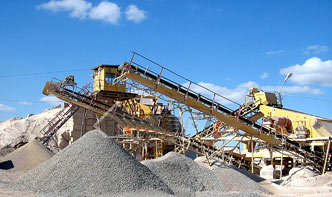
Modern crushers incorporate automation for optimal performance, adjusting settings based on feed size and hardness variations.
1. What types of rock crushers are used in mining?
Jaw crushers (primary), cone/impact crushers (secondary), and VSIs (tertiary).
2. How is maintenance handled?
Regular lubrication, wear-part replacement (e.g., liners), and real-time monitoring prevent downtime.
3. Can recycled materials be processed? Yes—some crushers handle demolition concrete or asphalt for reuse.
A limestone quarry upgraded to a mobile crushing plant with a jaw-cone-VSI setup, increasing production by 30% while reducing fuel consumption through hybrid power options. Automated controls optimized particle size distribution for high-grade construction aggregates.
Rock crushers are indispensable in mining operations, ensuring efficient material processing with minimal waste advancements in automation sustainability continue shaping the future of aggregate production

