Mechanized Coal Handling System Idlers in Aggregate and Sand Processing Industry
The aggregate and sand processing industry relies heavily on efficient material handling systems to transport raw and processed materials. While coal handling systems are traditionally associated with mining and power plants, their core components—such as idlers—play a critical role in conveyor systems used in crushing, screening, and sand-making operations.
Modern aggregate plants demand high-capacity conveying systems to move bulk materials like limestone, granite, and river gravel. Conveyor idlers, as essential support components, ensure smooth belt movement under heavy loads. Their design principles overlap with those in coal handling, emphasizing durability, reduced friction, and minimal maintenance.
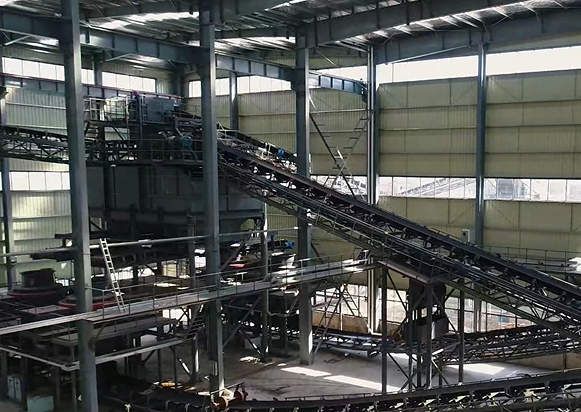
1. Heavy-Duty Construction: Idlers for sand and stone processing are built to withstand abrasive materials. Sealed bearings and reinforced steel frames prevent premature wear.
2. Impact Resistance: In primary crushing stages, idlers must absorb shock from large falling rocks. Impact idlers with rubber discs or cushioning designs are common.
3. Alignment Stability: Misalignment causes belt damage and spillage. Self-aligning idlers help maintain belt tracking on long-distance conveyors.
4. Corrosion Protection: Wet processing environments (e.g., sand washing) require stainless or galvanized idlers to resist rust.
Q: How often should idlers be inspected in a crushing plant?
A: Monthly inspections are recommended for high-load zones (e.g., feed points), while others can be checked quarterly.
Q: Can coal-handling idlers be used interchangeably with aggregate systems?
A: Only if rated for similar load capacities and abrasion resistance—specialized designs for stone/sand are preferable.
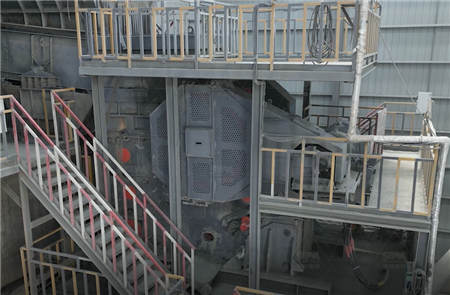
A granite quarry in Texas upgraded its conveyor system with heavy-duty impact idlers after frequent failures caused downtime. The new idlers reduced maintenance intervals by 40% and improved belt lifespan by 30%, showcasing the ROI of robust component selection.
While originating from coal handling, advanced idler technology is vital for aggregate operations seeking reliability and cost efficiency. Proper selection tailored to material abrasiveness and operational conditions ensures long-term system performance.

