The Chart of Accounts for a Crushing Plant: A Comprehensive Guide
The crushing and sand-making industry plays a critical role in construction, mining, and infrastructure development. A well-structured Chart of Accounts (COA) is essential for financial management, cost tracking, and operational efficiency in crushing plants. Below is an overview tailored to this sector.
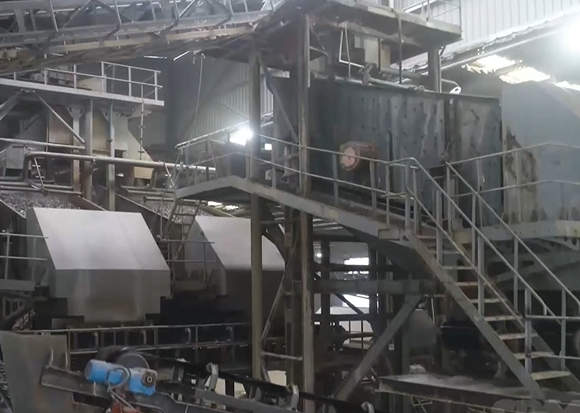
Crushing plants process raw materials like granite, limestone, and basalt into aggregates, sand, or gravel for concrete production and road construction. Financial clarity ensures profitability amid fluctuating material costs, equipment maintenance, and regulatory compliance.
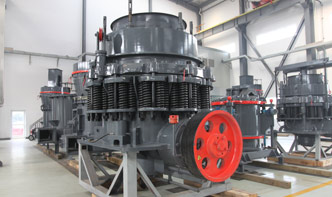
1. Assets
– Fixed Assets: Crushers, screens, conveyors, loaders.
– Current Assets: Spare parts inventory, fuel stocks.
2. Liabilities
– Loans for equipment purchases or plant expansion.
3. Revenue Streams
– Sales of crushed stone, sand, or recycled aggregates.
4. Operating Expenses
– Fuel, electricity, labor wages, maintenance costs.
1. How to categorize equipment repairs?
– Classify as “Maintenance Expense” unless it extends the asset’s life (then capitalize).
2. Should fuel costs be under COGS or overhead?
– Direct fuel usage belongs to Cost of Goods Sold (COGS); indirect goes to overhead.
A plant in Texas reduced downtime by 15% after implementing granular expense tracking—separating wear-part replacements from routine maintenance in their COA.
By aligning accounting practices with operational realities, crushing plants optimize profitability while ensuring compliance with industry standards like IFRS or GAAP.

