The Crushing and Sand-Making Equipment Industry: A Comprehensive Overview
Industry Background
The global demand for sand and gravel aggregates continues to rise, driven by infrastructure development, urbanization, and construction activities. As natural sand resources deplete due to environmental regulations and over-exploitation, manufactured sand (M-Sand) produced by crushing and sand-making equipment has become a sustainable alternative. The industry focuses on high-efficiency, low-energy solutions to meet the growing need for quality aggregates.
Core Equipment and Technologies
1. Jaw Crushers: Primary crushing machines designed for hard rock, featuring high throughput and robust construction.
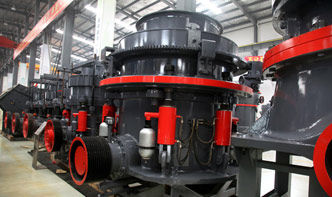
2. Cone Crushers: Secondary or tertiary crushers offering precise particle size control, ideal for abrasive materials.
3. Impact Crushers: Versatile units for shaping aggregates, producing cubical end products suitable for concrete.
4. Sand Makers (VSI Crushers): Key equipment for M-Sand production, utilizing a rock-on-rock or rock-on-iron crushing mechanism to achieve superior gradation.
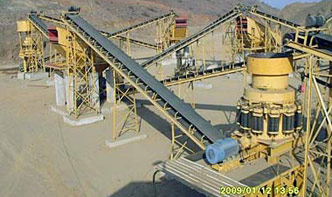
Advanced automation and IoT integration are now standard, enabling real-time monitoring, predictive maintenance, and optimized production efficiency.
Key Considerations for Plant Design
FAQ Section
1. What is the difference between natural and manufactured sand?
M-Sand offers better consistency in particle shape and gradation while reducing ecological impact compared to river sand extraction.
2. How to minimize wear in crushers?
Use high-quality manganese liners, maintain proper feed size, and avoid overloading the equipment.
3. What are the energy-saving options?
Variable frequency drives (VFDs) and hybrid power systems can reduce energy consumption by up to 30%.
Engineering Case Study
A quarry in Texas upgraded its traditional jaw-cone setup to a VSI-based sand-making plant, increasing M-Sand yield by 40% while meeting DOT specifications for highway construction. The solution included a multi-stage screening system to eliminate excess fines (-75μm), ensuring optimal concrete workability.
Future Trends
The industry is shifting toward modular, mobile crushing plants for flexible deployment and circular economy practices (e.g., recycling construction waste into aggregates). Innovations like AI-driven optimization and hydrogen-powered crushers are on the horizon.
By adopting advanced technologies and sustainable practices, stakeholders can address both market demands and environmental challenges effectively.

