The Evolution of Stone Crushers: Delivering Best Quality in Aggregate Production
The global construction and infrastructure sectors rely heavily on high-quality aggregates, driving demand for efficient stone crushing equipment. As urbanization accelerates, the need for durable sand, gravel, and crushed stone has surged, making crushers a cornerstone of modern quarrying and mining operations.
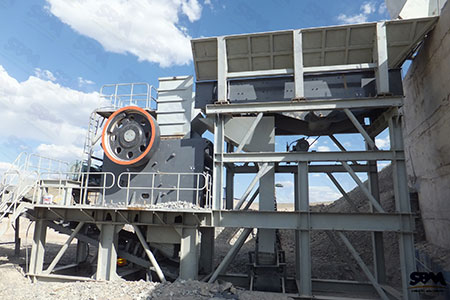
Aggregates form the backbone of concrete, asphalt, and road bases, with strict quality standards governing particle shape, size, and gradation. Traditional jaw crushers, cone crushers, and impact crushers have evolved to meet these demands, incorporating advanced technologies like hydraulic adjustment systems, automated controls, and wear-resistant materials.
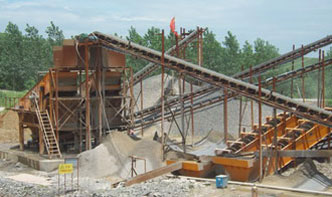
1. Robust Design: Premium crushers feature reinforced frames and high-grade steel components to withstand abrasive materials.
2. Precision Crushing: Modern machines optimize crushing chambers for better particle shape (cubicity) and reduced fines generation.
3. Energy Efficiency: Variable-speed drives and smart control systems minimize power consumption while maximizing output.
4. Low Maintenance: Easily replaceable wear parts (e.g., manganese liners) extend operational life and reduce downtime.
Cone crushers or gyratory crushers excel in hard rock applications due to their compressive crushing action.
Wet suppression systems or enclosed crushing chambers paired with bag filters effectively control dust.
With proper maintenance, premium crushers can operate for 15–20 years; wear parts may need replacement every 6–24 months depending on usage.
A limestone quarry in Texas upgraded to a multi-stage crushing plant (jaw + cone + VSI) to produce high-spec aggregates for highway construction. The setup achieved:
Sustainability is reshaping the industry—electric-powered mobile crushers and AI-driven predictive maintenance are gaining traction to cut carbon footprints and optimize workflows.
In conclusion, investing in best-quality stone crushers ensures long-term profitability by balancing performance, durability, and compliance with evolving environmental regulations—a critical advantage in today’s competitive aggregate market.