The Aggregate Industry in Thailand: Spotlight on Rattana Hongkajorn and Coal-Fired Power Plants
Thailand’s construction boom has driven significant demand for high-quality sand and gravel aggregates, essential for infrastructure, real estate, and industrial projects. As a key player in this sector, Rattana Hongkajorn, a Thai company specializing in coal-related industries, has also ventured into aggregate production to support energy and construction synergies.
Thailand’s aggregate market relies heavily on crushed stone, sand, and recycled materials. With coal-fired power plants like those linked to Rattana Hongkajorn generating byproducts (e.g., bottom ash), opportunities arise to repurpose waste into construction materials. This aligns with global trends toward sustainable resource utilization.
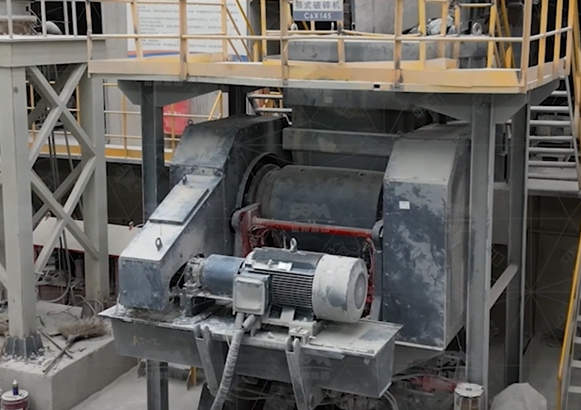
Modern aggregate production hinges on:
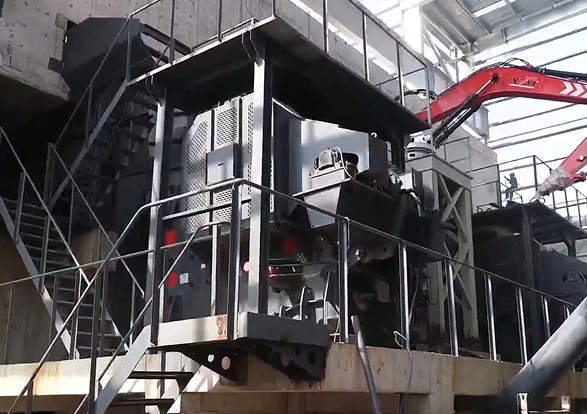
Rattana Hongkajorn leverages such equipment to process both natural stone and coal-derived aggregates, ensuring cost efficiency and compliance with Thailand’s building codes.
1. Can coal byproducts replace natural aggregates?
Yes—processed bottom ash meets ASTM standards for lightweight concrete but requires rigorous quality control.
2. What’s the lifespan of a VSI crusher?
~20,000 hours with proper maintenance; wear parts (rotor tips) need regular replacement.
3. How does Thailand regulate quarrying?
Permits from the Department of Primary Industries and Mines (DPIM) are mandatory; EIA approvals are strict near ecologically sensitive zones.
A Rattana Hongkajorn-affiliated project integrated a 200 TPH sand-making plant adjacent to a coal facility in Saraburi Province. By crushing limestone and recycling ash, the operation reduced landfill waste by 30% and supplied aggregates to local road builders at competitive rates.
Thailand’s aggregate sector is evolving with technological adoption and circular economy practices. Companies like Rattana Hongkajorn exemplify how energy and construction industries can collaborate—turning challenges like coal waste into viable material solutions while supporting national development goals.

