The Rising Demand for Quarry Dust as a Sustainable Alternative to Natural Sand
The global construction industry faces mounting pressure to adopt sustainable practices, driven by the depletion of natural sand reserves and environmental concerns. Quarry dust, a byproduct of crushing operations in quarries, has emerged as a viable substitute for traditional river sand. This shift aligns with circular economy principles, turning waste into valuable construction material while reducing ecological strain.
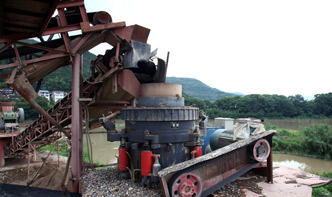
Natural sand extraction disrupts river ecosystems, depletes water tables, and exacerbates erosion. Regulatory restrictions on sand mining have intensified the search for alternatives. Quarry dust, composed of fine aggregates (<5mm), shares similar physical properties with sand but offers superior advantages:
1. Concrete Production: Quarry dust partially replaces sand (up to 50%) without compromising strength, as proven by studies on M20–M40 grade concrete.
2. Road Sub-Bases: Its compactability makes it ideal for stabilizing foundation layers.
3. Brick Manufacturing: Reduces clay content in fired bricks, lowering energy consumption.
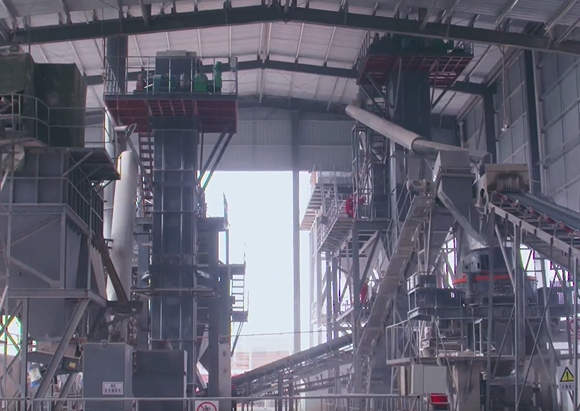
Modern crushing plants integrate vertical shaft impactors (VSIs) or cone crushers with air classifiers to produce well-graded quarry dust. Features like adjustable rotor speed and rock-on-rock crushing ensure optimal particle shape and minimal flakiness.
Q: Does quarry dust weaken concrete?
A: No—when properly graded and mixed, it enhances compressive strength due to better filler effect.
Q: How is silt content managed?
A: Washing systems or dry screening remove excess fines (<75μm) to meet ASTM C33 standards.
A highway developer replaced 30% of natural sand with quarry dust in rigid pavement concrete. Results showed:
Quarry dust exemplifies innovation in sustainable construction materials. As technology advances, its adoption will grow—driven by cost savings, regulatory support, and the industry’s green transition. Stakeholders must invest in optimized crushing systems and quality control to maximize its potential responsibly.

