The Growing Demand for Manufactured Sand Crushers: Market Trends and Key Considerations
The global construction industry is increasingly turning to manufactured sand (M-Sand) as a sustainable alternative to natural river sand. With stricter environmental regulations and dwindling natural resources, M-Sand produced by crushers offers consistent quality, better particle shape, and reduced ecological impact. This shift has fueled demand for advanced crushing equipment tailored for sand production.
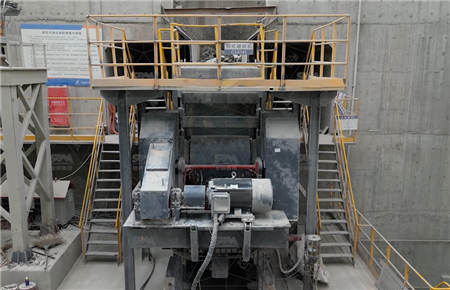
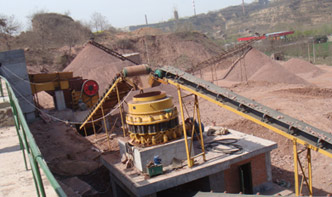
Traditional sand mining faces challenges like over-exploitation, habitat destruction, and fluctuating quality. Manufactured sand, created by crushing hard rocks (granite, basalt, or limestone), addresses these issues while meeting international standards like ASTM C33 or IS 383. Crushers such as vertical shaft impactors (VSI), cone crushers, and jaw crushers are central to this process, offering varying degrees of fines control and cubicle output.
Modern crushers prioritize efficiency, automation, and adaptability:
Key considerations when purchasing include:
Prices vary widely ($50,000–$500,000+) depending on:
1. Machine Type: VSIs command premium pricing due to superior sand shaping capabilities.
2. Brand & Tech: European brands (, ) cost more than Chinese OEMs (SBM, ).
3. Customization: Automation (PLC systems) or hybrid designs add cost but boost ROI long-term.
Q1: Can M-Sand replace river sand entirely?
Yes, with proper gradation testing—it often outperforms river sand in strength and workability when processed correctly.
Q2: How to minimize operational costs?
Opt for energy-efficient motors and modular designs allowing quick wear-part replacements.
Q3: What’s the typical payback period?
For mid-sized plants (~200 TPH), ROI is achievable within 2–3 years given steady demand.
A quarry in Texas replaced its river-sand operations with a VSI-based plant producing 250 TPH of ASTM-compliant M-Sand. By recycling quarry waste, they cut transport costs by 30% and secured LEED certification for local infrastructure projects.
Investing in manufactured sand crushers requires balancing upfront costs with lifecycle benefits—durability, compliance, and market readiness—as sustainable construction gains momentum globally. Buyers should prioritize suppliers offering localized service support to mitigate maintenance risks in high-volume operations.

